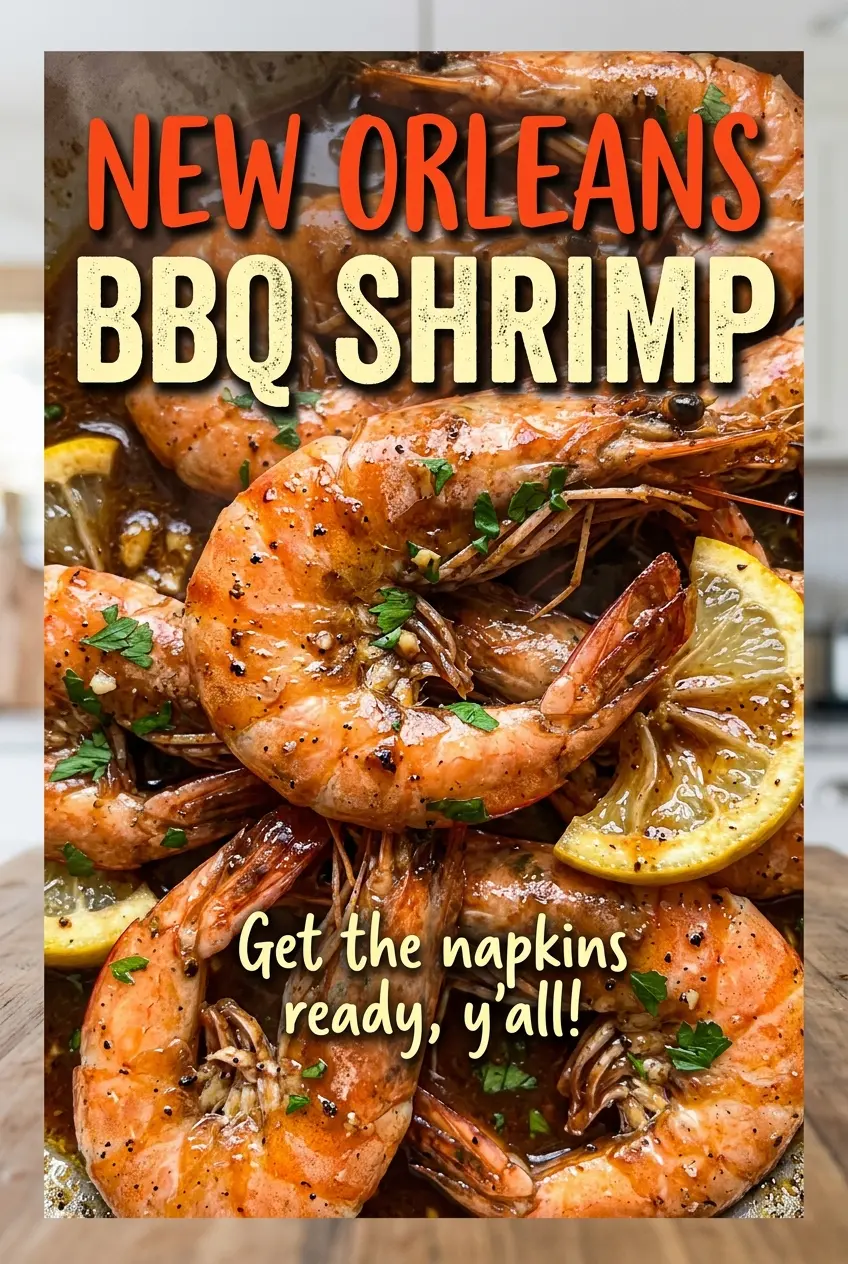
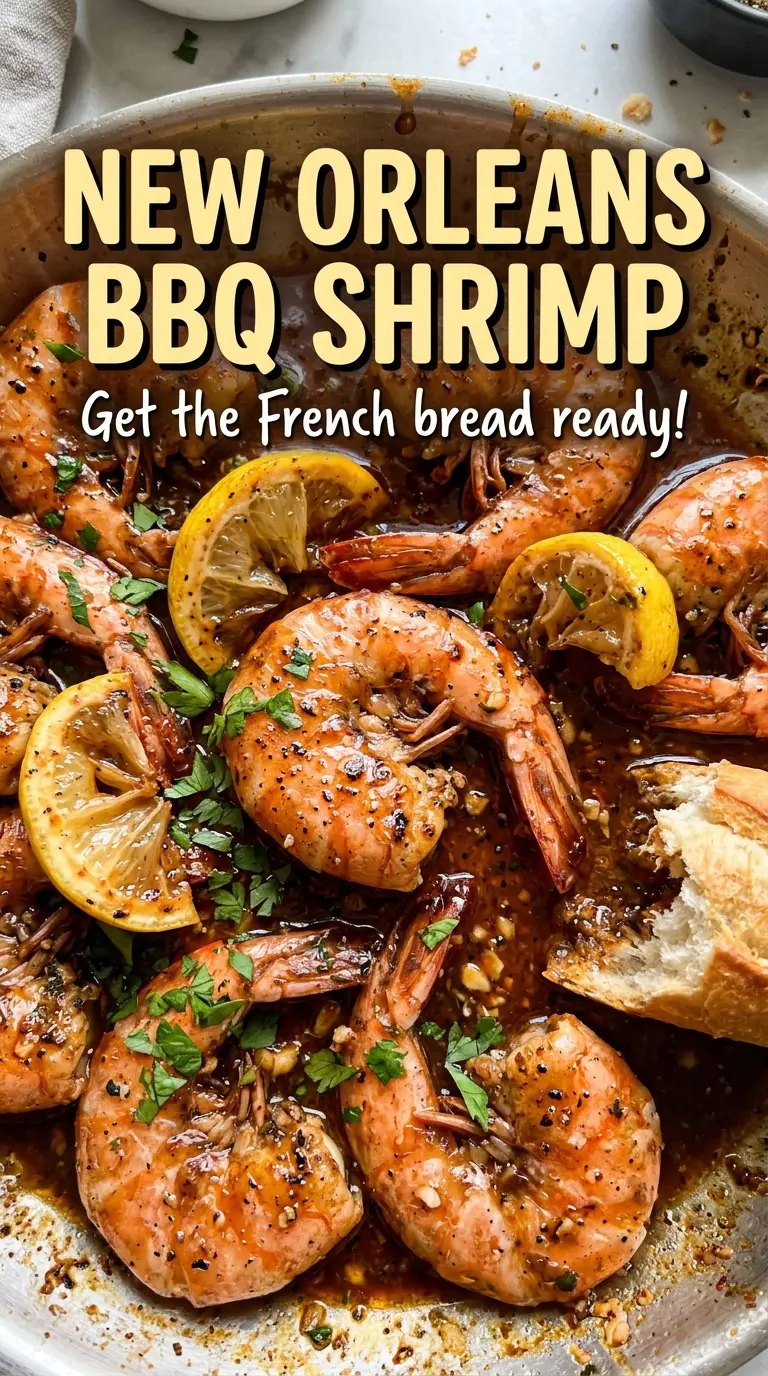
When the hot butter sauce runs across the shrimp, it gathers in the bottom of the baking dish with the garlic, lemon, and pepper. That’s the part I want in every bite. New Orleans BBQ shrimp gets its name from that bold, buttery sauce, not from a grill, and the oven makes it easy to cook the shrimp and sauce together.
I use large shell-on shrimp so they can bake right in the sauce without turning into an afterthought. The pale lager brings a little lift, while Worcestershire, fresh lemon, Creole seasoning, black pepper, cayenne, and hot sauce make the sauce savory and lively. There’s no breading or separate pan to manage.
Keep an eye on the shrimp near the end of the bake. Their shells turn pink, the flesh goes opaque, and the sauce stays loose enough to spoon over them. Served straight from the dish, this is a hands-on meal with a lot of buttery sauce to catch.
Kitchen Note
Bake, Serve, Wear the Vibe 👕
Editor-picked tees our Oven To Fork readers love.


We may earn from qualifying purchases at no extra cost to you.
The garlic only needs 30 seconds in the melted butter. Keep stirring and take the pan straight to the whisking step; browned garlic can turn bitter in this delicate butter sauce.
Save New Orleans BBQ shrimp for a hands-on dinner with buttery, peppery sauce and tender shell-on shrimp.
Why Shell-On Shrimp Belongs in This Butter Sauce
New Orleans BBQ shrimp isn’t barbecue in the grilled, tomato-sauce sense. The shrimp bake in a buttery, peppery sauce, and keeping the shells on suits that style: they give you a sturdy, flavorful coating around each shrimp and make the dish feel right at home as a hands-on meal. The shells also make it easier to handle the shrimp as they cook in the sauce.
There’s a practical reason to stick with large shrimp, too. Smaller shrimp have less room between perfectly cooked and overdone, especially when they’re baking in a hot dish. With shrimp that weigh 16 to 20 per pound, you can check the thickest ones and catch the whole pan while the meat is still tender. Use the pink shells as a clue, but don’t rely on shell color alone; the flesh and the thickest shrimp tell you more.
The sauce is meant to coat and pool, not turn into a thick gravy. It combines melted butter with lager, Worcestershire, lemon, and seasonings, so a loose, glossy sauce in the dish is the right result. That makes the baking dish part of the serving experience, not just a place to cook.
What Each Ingredient Adds to the New Orleans-Style Sauce
- Unsalted butter — This is the sauce’s rich base, and using unsalted butter leaves the seasoning balance to the Creole blend and Worcestershire. A standard grocery-store butter works; there’s no need for a specialty brand.
- Fresh garlic — Finely chopped garlic spreads through the butter instead of leaving large bites in the sauce. Chop it just before cooking if you can, since the short cooking time means its fresh aroma comes through clearly.
- Pale lager — Lager gives the butter sauce a lighter, less sweet note than a dark beer would. Choose a pale lager you enjoy drinking; the recipe’s flavor depends on keeping this beer choice light.
- Worcestershire sauce and fresh lemon juice — Worcestershire brings savory depth, while lemon keeps the butter from tasting heavy. Freshly squeezed juice has a brighter taste here, and straining out seeds before measuring keeps them out of the sauce.
- Creole seasoning, black pepper, cayenne, and hot sauce — These build the warm, pepper-forward character. Coarsely ground black pepper gives the sauce a noticeable bite, while cayenne and hot sauce layer in heat; check your Creole seasoning’s flavor before cooking because blends differ.
- Large shell-on shrimp — The shells are part of the intended texture and make this a hands-on dish. Buy them deveined and thawed, or thaw frozen shrimp completely before arranging them in the pan.
- Fresh parsley — Chopped parsley goes on at the end for a fresh contrast to the buttery sauce. Fresh leaves give the cleanest finish; dried parsley won’t provide the same bright garnish.
Build the Sauce Before the Shrimp Go in the Oven
Warm the Butter and Garlic Gently
Heat the oven to 400°F while you melt the butter in a 2-quart saucepan over medium heat. Stir in the finely chopped garlic and cook for 30 seconds, keeping it moving so it softens without taking on color. You should smell the garlic, but it shouldn’t look browned. If it starts to darken, the pan is too hot for this brief step.
Simmer the Seasoned Butter
Whisk in the pale lager, Worcestershire sauce, fresh lemon juice, Creole seasoning, coarsely ground black pepper, cayenne, and hot sauce. Bring the mixture to a simmer, then let it cook for 2 minutes so the ingredients come together. Keep the whisk moving as the liquids meet the butter; the mixture should look evenly combined rather than streaked with melted butter. It will still be a pourable sauce, not a thick one.
Coat the Shrimp in the Baking Dish
Arrange the thawed, deveined shrimp in a single layer in a 9×13-inch baking dish. Pour the sauce over them, then toss carefully until the shells are coated. A single layer helps the shrimp cook evenly, so avoid piling them into a mound. If your dish is crowded, spread the shrimp back out before baking.
Bake Just Until the Thickest Shrimp Is Ready
Bake for 12 to 15 minutes, stirring once halfway through so the shrimp get coated again in the sauce. Look for pink shells and opaque flesh, then check the thickest shrimp with a thermometer; it should reach 145°F. Don’t wait for the shells to become deeply colored or the shrimp to curl tightly, since those signs can mean they’ve gone too far. Sprinkle with chopped parsley and serve immediately.
Two Easy Ways to Adjust the Peppery Heat
A gentler cayenne finish
For a milder pan, leave out the cayenne and keep the rest of the sauce ingredients the same. Creole seasoning and hot sauce still give the shrimp a little warmth, but the sharpest pepper heat eases back.
A less hot-sauce-forward sauce
If you prefer the seasoning and black pepper to lead, leave out the hot sauce. The sauce will still have its Creole seasoning, black pepper, and cayenne, but it loses that extra tangy heat from the bottle.
Storage and Reheating
- Refrigerator: Refrigerate leftovers within 2 hours and eat them within 3 to 4 days. The shrimp will firm up as they chill, and the butter sauce may look separated.
- Freezer: I don’t recommend freezing this dish for the best texture. The shrimp can turn tough after thawing, and the butter sauce may separate.
- Reheating: Warm the shrimp and sauce gently in a covered skillet over low heat, just until hot, spooning sauce over the shrimp as it loosens. Avoid boiling the sauce or reheating the shrimp for a long time, which can make them rubbery.
Questions That Come Up While Making New Orleans BBQ Shrimp
New Orleans BBQ Shrimp
Ingredients
Equipment
Method
- Preheat the oven to 400°F.
- Melt the butter in a 2-quart saucepan over medium heat.
- Add the garlic and cook for 30 seconds, stirring.
- Whisk in the lager, Worcestershire sauce, lemon juice, Creole seasoning, black pepper, cayenne, and hot sauce.
- Bring the sauce to a simmer and cook for 2 minutes.
- Arrange the shrimp in a single layer in a 9x13-inch baking dish.
- Pour the sauce over the shrimp and toss to coat.
- Bake for 12 to 15 minutes, stirring once halfway through, until the shells are pink, the shrimp are opaque, and the thickest shrimp reaches 145°F.
- Sprinkle with the parsley and serve immediately.