The skin is the first place a roast turkey tells on you: if it goes into the oven damp, it won’t brown as evenly, and the breast can dry out while you wait for the rest of the bird. For this Juicy Roast Turkey, I start with a thawed, unbrined bird and give the skin time to dry in the refrigerator before roasting. That bit of planning makes the hands-on work on roast day much calmer.
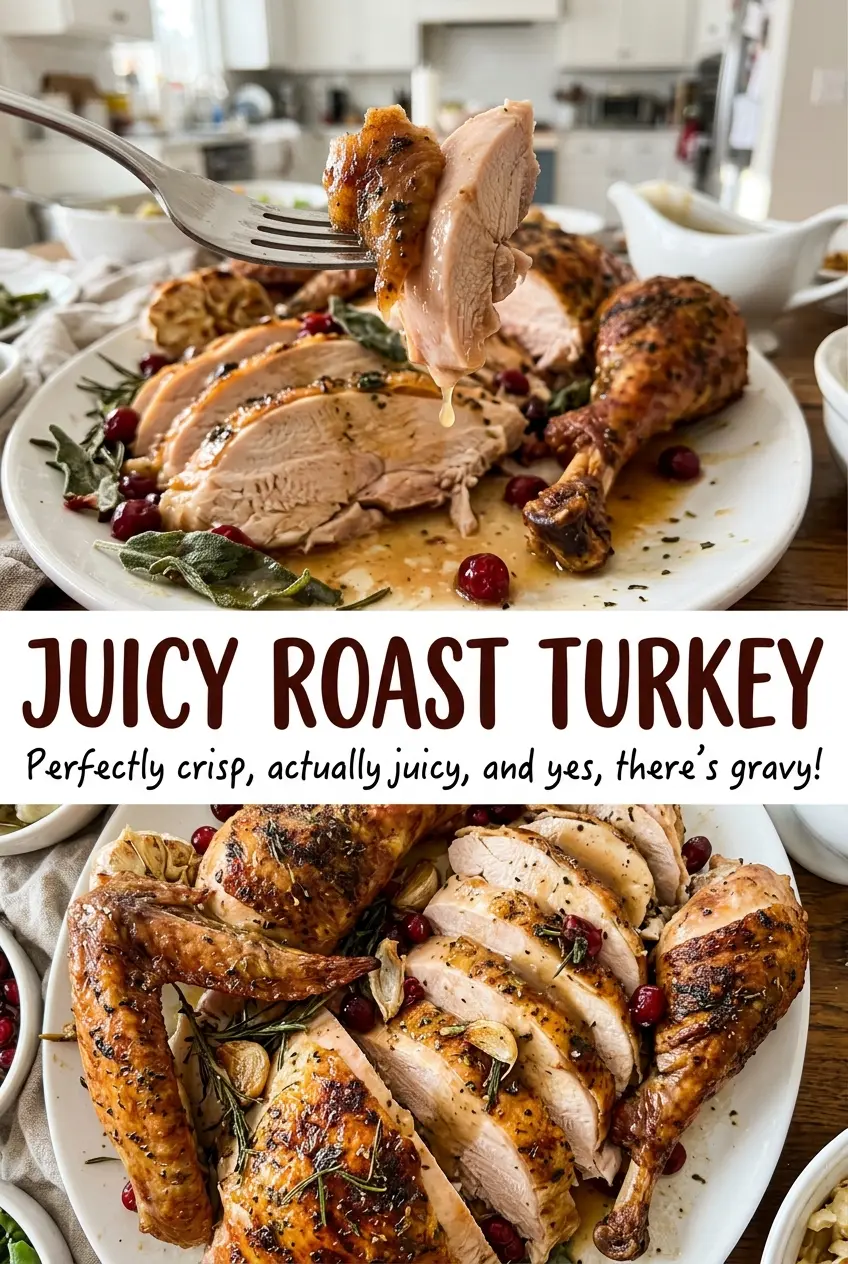
Softened butter goes both under the breast skin and over the outside, so the meat gets a coating where it needs it and the skin can turn golden as it roasts. Onion, lemon, garlic, thyme, and rosemary sit loosely in the cavity for aroma. The oven stays at 325°F, and a thermometer—not the color of the skin or the clock alone—tells you when the breast and thigh are ready. After a proper rest, the slices are tender and juicy, with browned skin worth bringing to the table.
Kitchen Note
Bake, Serve, Wear the Vibe 👕
Editor-picked tees our Oven To Fork readers love.



We may earn from qualifying purchases at no extra cost to you.
Tuck the wing tips under the bird before it goes into the oven. Those narrow tips are exposed to the heat, and tucking them keeps them from browning too quickly while the thicker parts roast.
Save this Juicy Roast Turkey for a golden-skinned centerpiece, seasoned ahead and finished with butter and fresh herbs.
Why the Salt Measure Changes With Your Kosher Salt Brand
Diamond Crystal and Morton kosher salt don’t measure alike by volume. Diamond Crystal’s flakes are lighter, so the amount used is different from Morton’s; use the matching measure for the brand you have rather than trading one spoonful for another. That small distinction matters here because the salt is spread over the whole turkey and inside the cavity, not stirred into a sauce where it can be adjusted later.
Salt the turkey while its skin is dry, then leave it uncovered on a rack in the refrigerator for 24 to 48 hours. The salt first draws moisture to the surface; as it dissolves, some of that seasoning works back into the meat, while the uncovered chill lets the skin dry. A wet brine takes a different approach by surrounding the bird with liquid, but this method keeps the turkey out of a bucket and gives the skin time to dry before it meets the oven. Start with an unbrined turkey so the salt level stays predictable.
What the Turkey, Butter, and Cavity Aromatics Each Bring
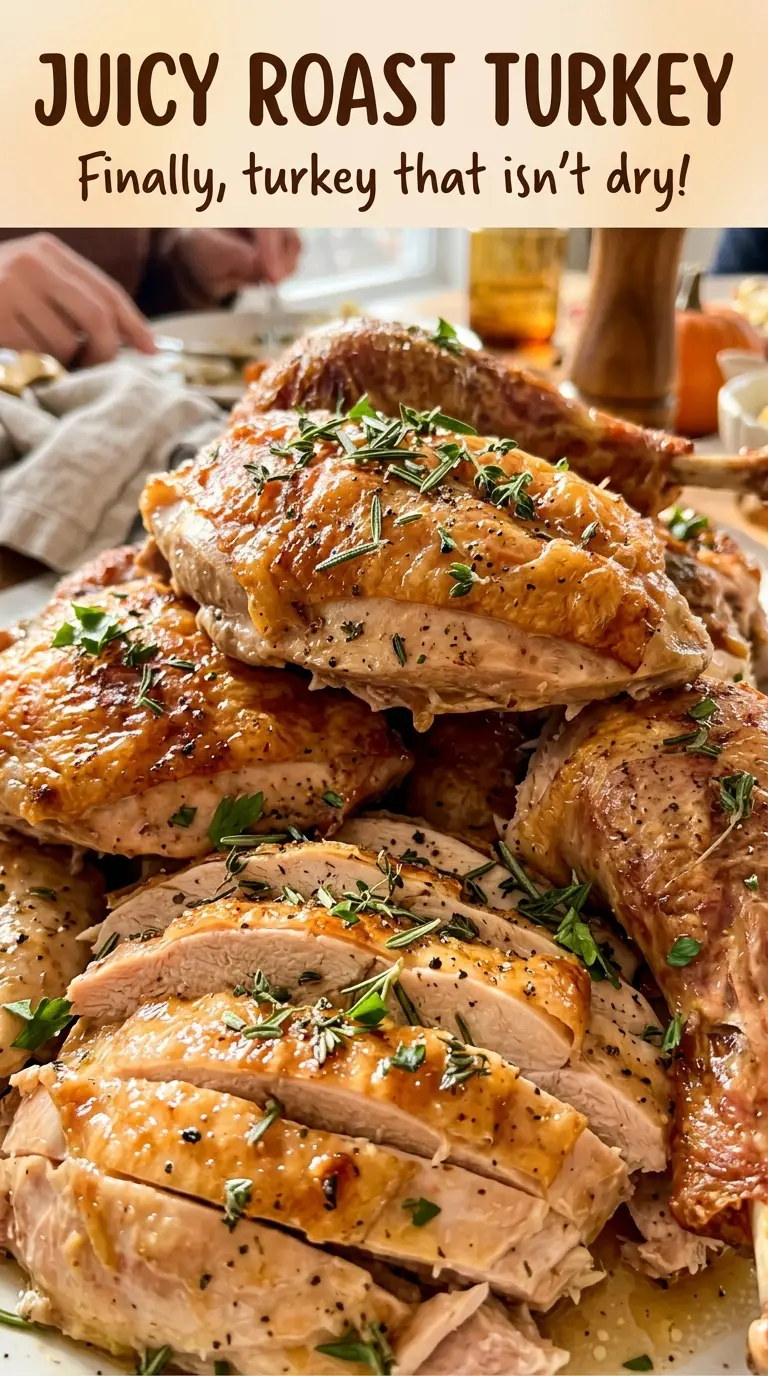
- Unbrined whole turkey — The salt amount and roasting window are built around a thawed, unbrined bird in this size range. A pre-salted or self-basting turkey already carries added salt, so it isn’t a straight swap. There’s no same-timing replacement for a whole turkey; smaller cuts roast differently.
- Kosher salt — Choose Diamond Crystal or Morton and use its corresponding measure. The crystal size changes how much salt fits in a spoon, so don’t substitute the other brand’s measure.
- Unsalted butter — Softened butter spreads beneath the breast skin without needing to melt it first, and unsalted butter lets the salt do the seasoning. For a dairy-free version, unsalted plant-based butter is the closest practical swap; use it measure-for-measure, knowing the flavor and browning may differ slightly by brand.
- Onion, lemon, garlic, thyme, and rosemary — These aromatics lend fragrance from inside the cavity; they aren’t a bread stuffing. Fresh thyme and rosemary have a brighter herbal aroma than dried herbs. If one herb is missing, use the other on its own rather than adding an unlisted seasoning.
How to Roast the Turkey Without Guessing at Doneness
Salt the Bird and Let the Skin Dry
Pat the turkey dry with paper towels, set it breast-side up on a rack in a roasting pan, and rub the salt over the skin and inside the cavity. Refrigerate it uncovered for 24 to 48 hours. The skin should feel dry to the touch before you move on; if you cover the bird, moisture can collect on the surface instead of evaporating.
Butter Beneath the Skin
Take the turkey out of the refrigerator 30 to 45 minutes before roasting and heat the oven to 325°F. Gently loosen the skin over the breast with your fingers, taking care not to tear it, then spread softened butter underneath and over the outside. Season the skin with black pepper. If the butter is cold and firm, it’s harder to spread without pulling at the skin.
Fill the Cavity and Tuck the Wings
Place the quartered onion and lemon, halved garlic head, thyme, and rosemary loosely inside the cavity. Don’t pack them in tightly; loose aromatics leave room for heat to circulate. Tuck the wing tips under the bird before roasting. Keep the cavity aromatics loose rather than treating them as a dense stuffing.
Roast to Two Temperature Checks
Roast for 3 to 3¾ hours, checking the thickest part of the breast and the innermost thigh with a thermometer. The breast should read 165°F and the thigh 175°F, with both readings taken away from bone. If the breast browns deeply before the turkey is done, cover the breast loosely with foil; a tight cover over the whole bird isn’t needed. Rely on the thermometer readings rather than color alone.
Rest Before Carving
Transfer the turkey to a cutting board and tent it loosely with foil. Let it rest for 30 minutes before carving so the meat has time to settle after roasting. If you start carving right away, juices run onto the board instead of staying in the slices. Use a sharp carving knife and work carefully around the breast and legs.
Three Flavor Changes That Keep the Roast Turkey Simple
Make It Dairy-Free
Replace the unsalted butter with unsalted plant-based butter in the same measure, spreading it under the breast skin and over the outside as usual. The bird still gets a coating, though the finish may taste less buttery and brown a little differently depending on the product.
Let the Herbs Lead
For a cleaner herbal aroma, put the thyme and rosemary in the cavity and leave out the onion, lemon, and garlic. The roast will have less sweet, citrus, and allium fragrance, while the preparation and oven method stay the same.
Swap the Lemon for Orange
Use a quartered orange in place of the lemon in the cavity for a rounder, sweeter citrus aroma. Keep the other aromatics as they are; this changes the fragrance more than the texture of the turkey.
Storage and Reheating
- Refrigerator: Refrigerate leftover turkey within 2 hours and keep it covered for 3 to 4 days. The skin softens in storage, while the sliced meat stays tender if it’s covered.
- Freezer: Freeze carved meat in airtight portions for up to 2 to 3 months for best quality. Thaw it in the refrigerator before reheating.
- Reheating: Warm slices covered in a baking dish with a small splash of water until steaming throughout. Leaving the dish uncovered as it heats dries out the lean breast meat.
Questions That Come Up Before the Turkey Goes in the Oven
Juicy Roast Turkey
Ingredients
Equipment
Method
- Pat the turkey dry with paper towels and place it breast-side up on a rack in a roasting pan.
- Rub the salt evenly over the skin and inside the cavity.
- Refrigerate the turkey uncovered for 24 to 48 hours.
- Remove the turkey from the refrigerator 30 to 45 minutes before roasting.
- Heat the oven to 325°F.
- Gently loosen the skin over the breast and spread the softened butter under the skin and over the outside of the turkey.
- Season the skin with black pepper.
- Place the onion, lemon, garlic, thyme, and rosemary loosely inside the cavity.
- Tuck the wing tips under the bird.
- Roast for 3 to 3 3/4 hours, loosely covering the breast with foil if it browns deeply before the turkey is done, until a thermometer reads 165°F in the thickest part of the breast and 175°F in the innermost thigh, away from bone.
- Transfer the turkey to a cutting board, tent loosely with foil, and rest for 30 minutes before carving.