
The first shrimp to hit the pot can look ready in a blink, which is exactly how a tender batch turns rubbery: one distracted minute, and the curl tightens. I keep the heat gentle and watch the shrimp instead of walking away. This shrimp cocktail is built around large raw shrimp, a quick poach, and a sharp, familiar sauce that lets the seafood stay front and center.
Seasoned water gives the shrimp a little more character than plain water, while the bay leaf and whole peppercorns add a quiet savory note rather than overpowering them. I like the sauce on the side, not poured over the shrimp. That keeps every piece cold and clean-tasting, and lets each person choose how much horseradish heat belongs in a bite.

Kitchen Note
Bake, Serve, Wear the Vibe 👕
Editor-picked tees our Oven To Fork readers love.



We may earn from qualifying purchases at no extra cost to you.
The sauce tastes brightest when it’s served in its own bowl instead of coating the shrimp. That sharp horseradish edge stays distinct, and the cold shrimp keep their clean, sweet flavor.
Save this classic shrimp cocktail for the next time you want cold, tender shrimp with a bright horseradish-ketchup sauce.
Why Shrimp Turn Rubbery Before You Even Get Them to the Table
Shrimp don’t need a long cook to become firm, and they don’t reward a rolling boil. Once they go into the pot, the outside heats quickly; a vigorous boil can batter them around while the center catches up. A gentle simmer gives you a calmer, more even cook, so you can stop as soon as the shrimp are opaque and curled instead of waiting for them to look dramatically different.
Large shrimp are especially helpful here because they give you a little more room to notice the change. Keep the pot close and treat the stated cooking window as a cue to pay attention, not permission to leave the stove. If a shrimp is already curled into a tight ring, it has gone further than the relaxed curve you’re looking for. Pulling the batch as soon as it reaches the doneness cues protects the tender bite this appetizer depends on.
The Shrimp and Horseradish Set the Whole Balance
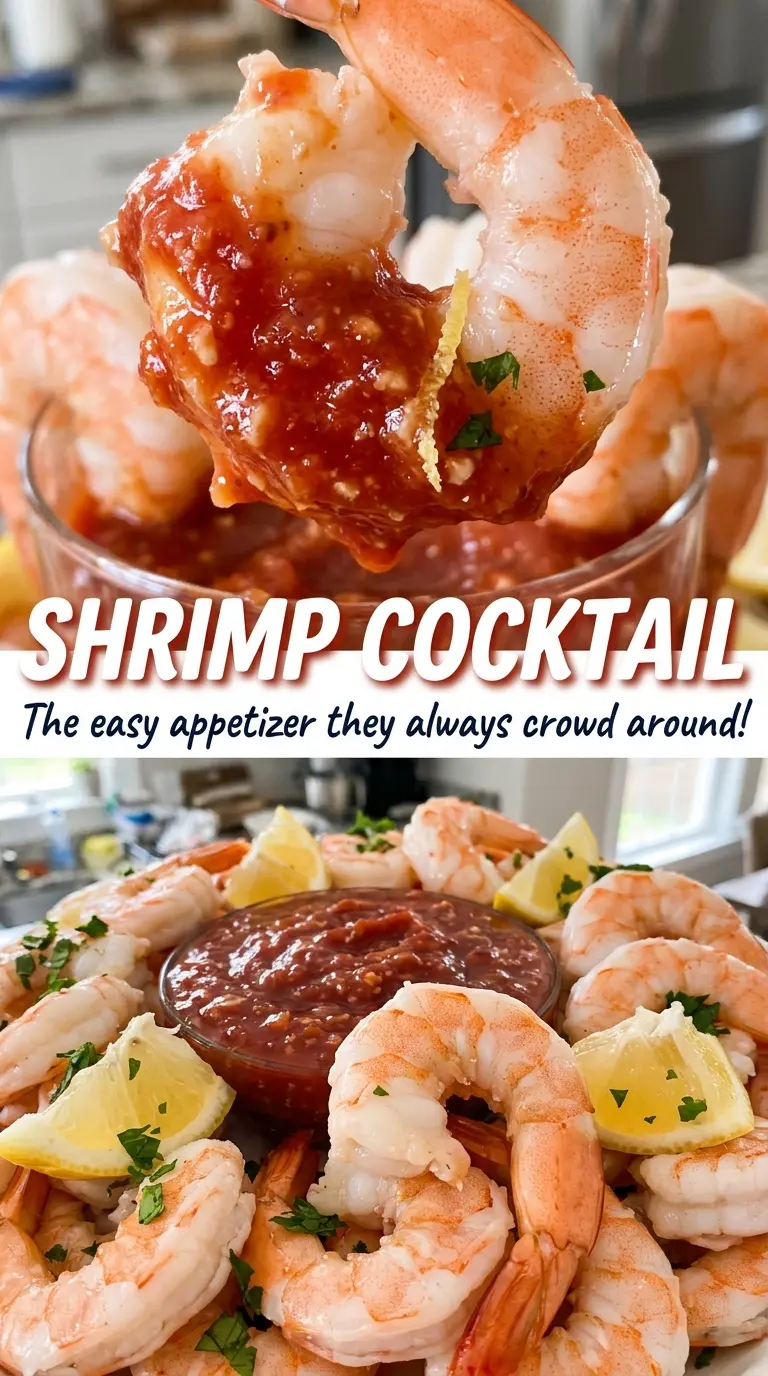
- Large raw shrimp — Peeled and deveined shrimp with the tails left on are easy to pick up and dip. Frozen shrimp work well once thawed; choose pieces that look intact rather than dried out or heavily iced over. The large size gives you a forgiving, substantial bite.
- Ketchup — It supplies the sauce’s sweet tomato base and softens the bite of the horseradish. A familiar, standard ketchup is a good fit; a strongly seasoned or unusually sweet variety can pull the sauce away from its classic balance.
- Prepared horseradish — This is where the sauce gets its unmistakable nose-tingle. Its heat varies by brand, so use a fresh jar with a clean, sharp aroma; old horseradish often tastes muted and makes the sauce seem flat.
- Lemon juice and Worcestershire sauce — Lemon lifts the ketchup and horseradish, while Worcestershire brings a savory, rounded note. Bottled lemon juice works in a pinch, though fresh juice tastes brighter. Worcestershire is worth keeping for the background depth it adds.
- Bay leaf and whole peppercorns — These gently season the poaching water without leaving ground pepper clinging to the shrimp. Whole peppercorns are useful here because they’re easy to strain away; don’t swap in a heavy shake of ground pepper.
Poach the Shrimp Gently, Then Keep the Sauce Separate
Bring the Seasoned Water to a Boil
Bring 8 cups of water to a boil in an 8-quart pot with the kosher salt, bay leaf, and whole black peppercorns. Wait for a full boil before adding the shrimp so the pot doesn’t start lukewarm. Keep the remaining water and ice ready in a large bowl while the pot heats. That bit of organization matters because the shrimp cook quickly.
Stop at Opaque and Curled
Add the thawed shrimp, then reduce the heat to a gentle simmer. Cook for 2 to 3 minutes, watching for the flesh to turn opaque and the shrimp to curl; they’re done at 145°F. Don’t use a hard boil to speed things along, and don’t judge by color alone if the thickest shrimp still looks translucent in the center.
Chill Without Letting the Cook Continue
While the shrimp cook, combine the remaining 4 cups of water with the ice in a large bowl. Transfer the cooked shrimp to that ice bath and chill for 5 minutes. Drain them, then refrigerate until thoroughly chilled, 20 to 30 minutes. The separate chilling stages bring the shrimp fully cold before serving.
Stir Together the Cocktail Sauce
Stir the ketchup, prepared horseradish, lemon juice, Worcestershire sauce, and hot sauce together in a small bowl. Mix until the color and texture look even, with no streaks of horseradish hiding at the bottom. Serve the thoroughly chilled shrimp alongside the sauce. Keeping the two separate also makes leftovers easier to store.
Three Ways to Adjust the Sauce Without Losing Its Classic Character
A More Horseradish-Forward Dip
Stir in additional prepared horseradish gradually if you want a sharper, more sinus-clearing sauce. The extra heat will stand out more against the ketchup, so add it in small increments and stop when the sauce still tastes balanced rather than harsh.
A Hotter, Brighter Finish
For a livelier sauce, increase the hot sauce a little at a time, or lean more heavily on lemon juice for extra tang. More hot sauce brings direct heat; more lemon shifts the sauce toward a tart, lighter taste without changing the texture.
A Gluten-Free Cocktail Sauce
Use ketchup, prepared horseradish, Worcestershire, and hot sauce specifically labeled gluten-free. The sauce keeps its familiar sweet, sharp, savory balance; the exact depth will still vary with the Worcestershire you choose.
Storage and Reheating
- Refrigerator: Store shrimp and sauce covered in the refrigerator at 40°F or below and use within 3 to 4 days. The shrimp may lose a little of their springy texture as they sit.
- Freezer: The cooked shrimp can be frozen separately in an airtight freezer container for 2 to 3 months; the sauce is best made fresh rather than frozen. Thaw shrimp overnight in the refrigerator before serving.
- Reheating: This dish is meant to be served cold, so skip reheating. Warm shrimp turn tough quickly; serve them chilled straight from the refrigerator.
Questions That Come Up When Making Shrimp Cocktail
Shrimp Cocktail
Ingredients
Method
- Bring 8 cups of the water, the salt, bay leaf, and peppercorns to a boil in an 8-quart pot.
- Add the shrimp and reduce the heat to a gentle simmer; cook for 2 to 3 minutes, until the shrimp are opaque and curled and reach 145°F.
- While the shrimp cook, combine the remaining 4 cups water and the ice in a large bowl.
- Transfer the cooked shrimp to the ice bath and chill for 5 minutes.
- Drain the shrimp.
- Refrigerate the shrimp until thoroughly chilled, 20 to 30 minutes.
- Stir together the ketchup, horseradish, lemon juice, Worcestershire sauce, and hot sauce in a small bowl.
- Serve the cocktail sauce with the chilled shrimp.