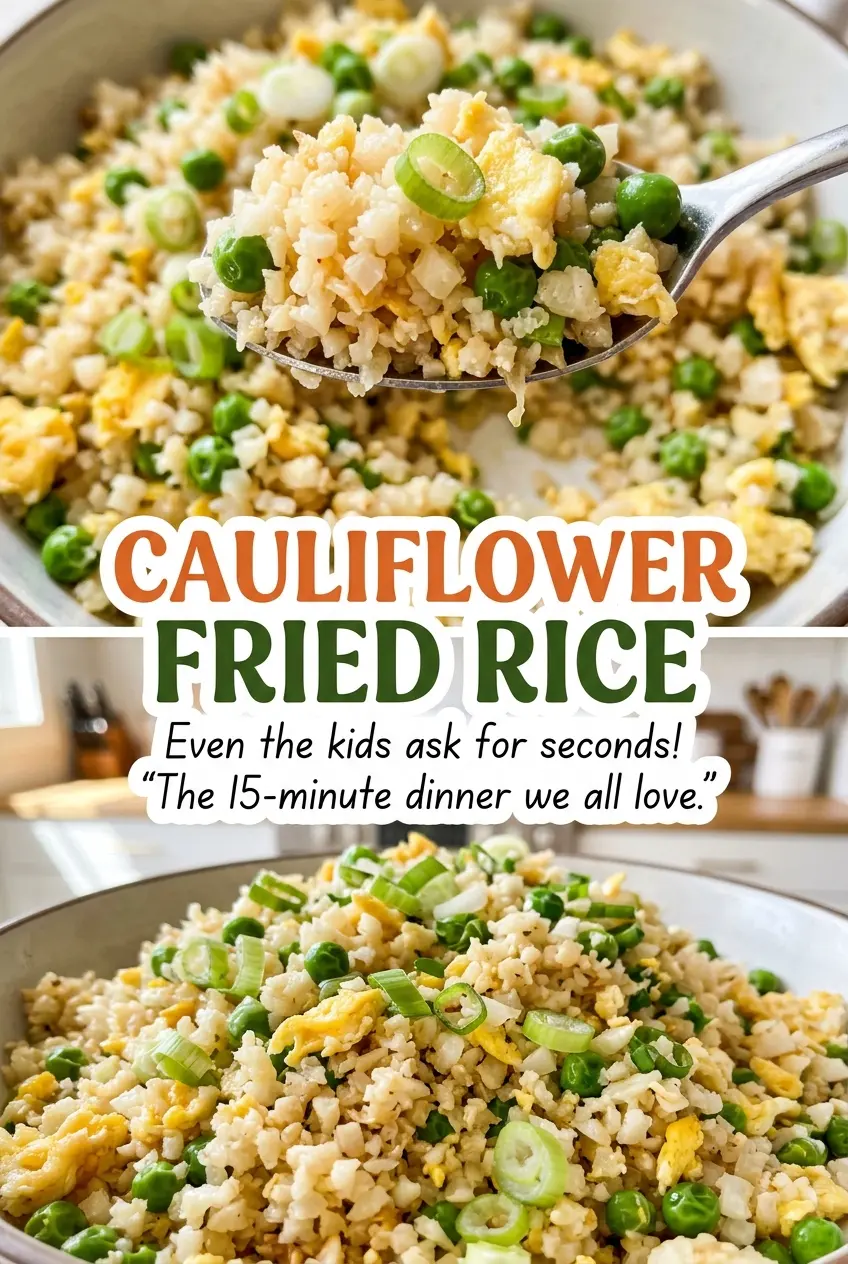
When cauliflower rice hits a hot skillet, it can release enough water to turn a quick stir-fry into a soft, steamy pile. I learned to treat that moisture as the part that needs attention first. Once it’s handled, the cauliflower gets hot fast, and a few browned spots give this cauliflower fried rice the toasty skillet flavor you want.
The rest comes together in the same 12-inch skillet: eggs first, then the vegetables, then the cauliflower rice. I keep the soy sauce measured and add the toasted sesame oil near the end, where both season the whole pan without burying the vegetables. The finished dish is tender but not soggy, with little bites of egg and green onion in every serving.
Kitchen Note
Bake, Serve, Wear the Vibe 👕
Editor-picked tees our Oven To Fork readers love.



We may earn from qualifying purchases at no extra cost to you.
Fold in the green onions after the final minute of cooking, just before serving. They keep a fresher bite that way instead of softening in the hot skillet.
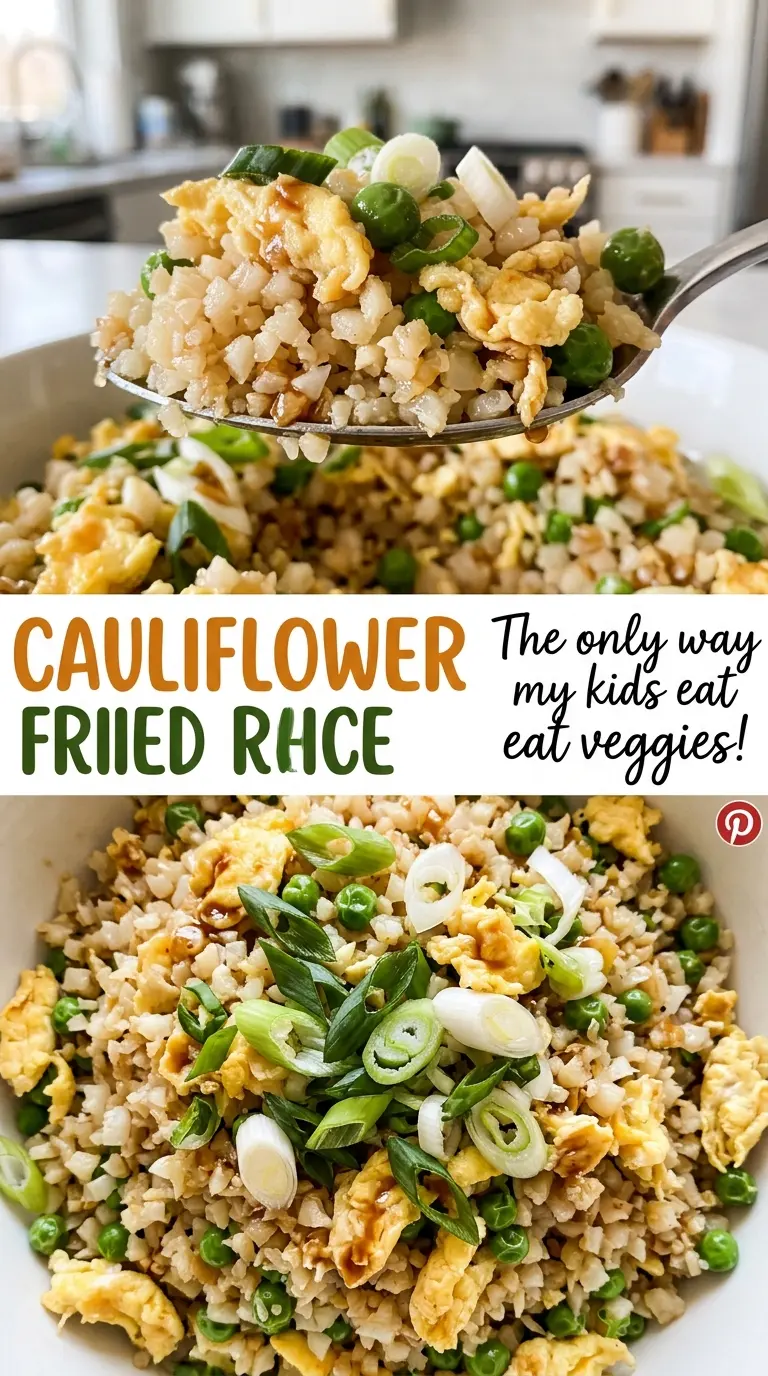
Save this cauliflower fried rice for a quick skillet meal with browned cauliflower, tender egg, and a toasted sesame finish.
Why Wet Cauliflower Rice Steams Instead of Browning
Cauliflower rice has a lot of surface area, and thawed pieces carry water into the skillet. If that water stays trapped, the cauliflower steams while it cooks; the grains soften before they have a chance to pick up the browned spots that make this version taste like a skillet dish rather than plain steamed vegetables. Squeezing the thawed rice firmly in a clean kitchen towel removes the excess before it reaches the pan.
Dry cauliflower rice also makes the final seasoning easier to control. Soy sauce brings moisture along with its savory flavor, so starting with rice that isn’t already wet helps keep the pan from turning soupy when you stir it in. Give the cauliflower room to heat through and keep stirring often. You’re looking for hot, dry grains with a few browned patches, not a uniformly dark crust.
The towel step takes a little effort, but it prevents you from trying to cook off a puddle later. Don’t stop while the towel is still dripping; squeeze until no more liquid comes out.
What the Eggs, Frozen Vegetables, and Sesame Oil Bring
- Frozen riced cauliflower — The frozen version is convenient and gives you evenly sized pieces without the work of breaking down a whole head. Choose a bag without added seasoning so the soy sauce and sesame oil stay in balance. Let it thaw before squeezing; partially frozen pieces are harder to press dry evenly.
- Eggs — Beaten eggs cook quickly and add soft, savory bites throughout the pan. They’re cooked separately and returned at the end, which helps keep them in pieces instead of blending into the vegetables. Fresh eggs are useful here, but there’s no need for a specialty variety.
- Frozen peas and carrots — This mix gives the skillet small, sweet vegetable bites without extra chopping. A basic frozen mix works well; cook it until hot and the diced onion has softened before adding the cauliflower.
- Soy sauce — It supplies the main salty, savory seasoning. Since it’s stirred in near the finish, its flavor stays noticeable without soaking the cauliflower for the whole cooking time. There isn’t another listed ingredient that replaces its seasoning job.
- Toasted sesame oil — Its toasted aroma is distinct from the neutral oil used to cook the eggs and vegetables. Keep the two oils in their separate roles: neutral oil handles the hot skillet, while sesame oil goes in with the soy sauce at the end.
- Green onions — Their mild onion flavor brightens the finished skillet. Thin slices fold through easily, so you get a little in each serving without large, sharp pieces.
The Skillet Sequence That Keeps Every Part Distinct
Cook the Eggs Until Just Set
Heat one tablespoon of neutral oil in a 12-inch skillet over medium-high heat. Add the beaten eggs and stir as they cook, watching for them to turn fully set rather than leaving wet patches. This takes about 1 to 2 minutes. Transfer the eggs to a plate so they don’t keep cooking while you work on the vegetables.
Soften the Onion with the Frozen Vegetables
Add the remaining tablespoon of neutral oil to the same skillet, then add the diced yellow onion and frozen peas and carrots. Stir often as the onion softens and the vegetables heat through, about 3 to 4 minutes. The vegetables should be hot before the cauliflower goes in. If the onion still feels firm, give this stage the time it needs rather than rushing to the next one.
Cook the Cauliflower Until Hot and Dry
Stir in the minced garlic and cook for 30 seconds, then add the thawed, squeezed cauliflower rice. Keep the mixture moving often over medium-high heat for about 5 to 7 minutes. The cauliflower should be hot and dry, with a few browned spots showing across the pan. If it still looks wet, continue cooking and stirring until that excess moisture is gone.
Season and Return the Eggs
Stir in the soy sauce and toasted sesame oil, then return the cooked eggs to the skillet. Break the eggs into bite-size pieces as you stir, so they distribute through the cauliflower and vegetables. Cook for 1 minute, fold in the sliced green onions, and serve. Taste and texture are easiest to judge while the skillet is hot, before the cauliflower has time to soften further.
Two Simple Ways to Change the Skillet
Egg-Free Cauliflower Fried Rice
Leave out the eggs for an egg-free version. The skillet will have fewer soft, savory bites and the vegetables will stand out more, but the cauliflower, onion, peas and carrots, garlic, soy sauce, and sesame oil still make a complete pan of fried rice.
A Lower-Carb-Leaning Version Without Peas and Carrots
Omit the frozen peas and carrots and cook the onion as usual before adding the garlic and cauliflower. The result is less sweet and has fewer distinct vegetable textures, with cauliflower taking the lead. It’s a simple adjustment, not a strict low-carb meal calculation.
Storage and Reheating
- Refrigerator: Refrigerate leftovers within 2 hours and keep them for 3 to 4 days. The cauliflower softens as it sits, so it won’t have quite the same dry, browned texture the next day.
- Freezer: Freeze in an airtight container for up to 2 months for best quality. Thaw it in the refrigerator before reheating; expect the cauliflower to be softer than when freshly cooked.
- Reheating: Warm leftovers in a skillet over medium heat, stirring until they’re steaming hot throughout and reach 165°F. Avoid leaving them over heat longer than needed, since the cauliflower can lose more texture.
Questions That Come Up When Making Cauliflower Fried Rice
Cauliflower Fried Rice
Ingredients
Equipment
Method
- Thaw the cauliflower rice and squeeze it firmly in a clean kitchen towel until no more liquid drips.
- Heat 1 tablespoon of the neutral oil in a 12-inch skillet over medium-high heat.
- Add the eggs and cook, stirring, until fully set, about 1 to 2 minutes; transfer to a plate.
- Add the remaining 1 tablespoon neutral oil to the skillet, then add the onion and frozen peas and carrots.
- Cook, stirring often, until the onion softens and the vegetables are hot, about 3 to 4 minutes.
- Stir in the garlic and cook for 30 seconds.
- Add the cauliflower rice and cook, stirring often, until hot and dry with some browned spots, about 5 to 7 minutes.
- Stir in the soy sauce and sesame oil.
- Return the eggs to the skillet and break them into bite-size pieces as you stir.
- Cook for 1 minute, fold in the green onions, and serve.