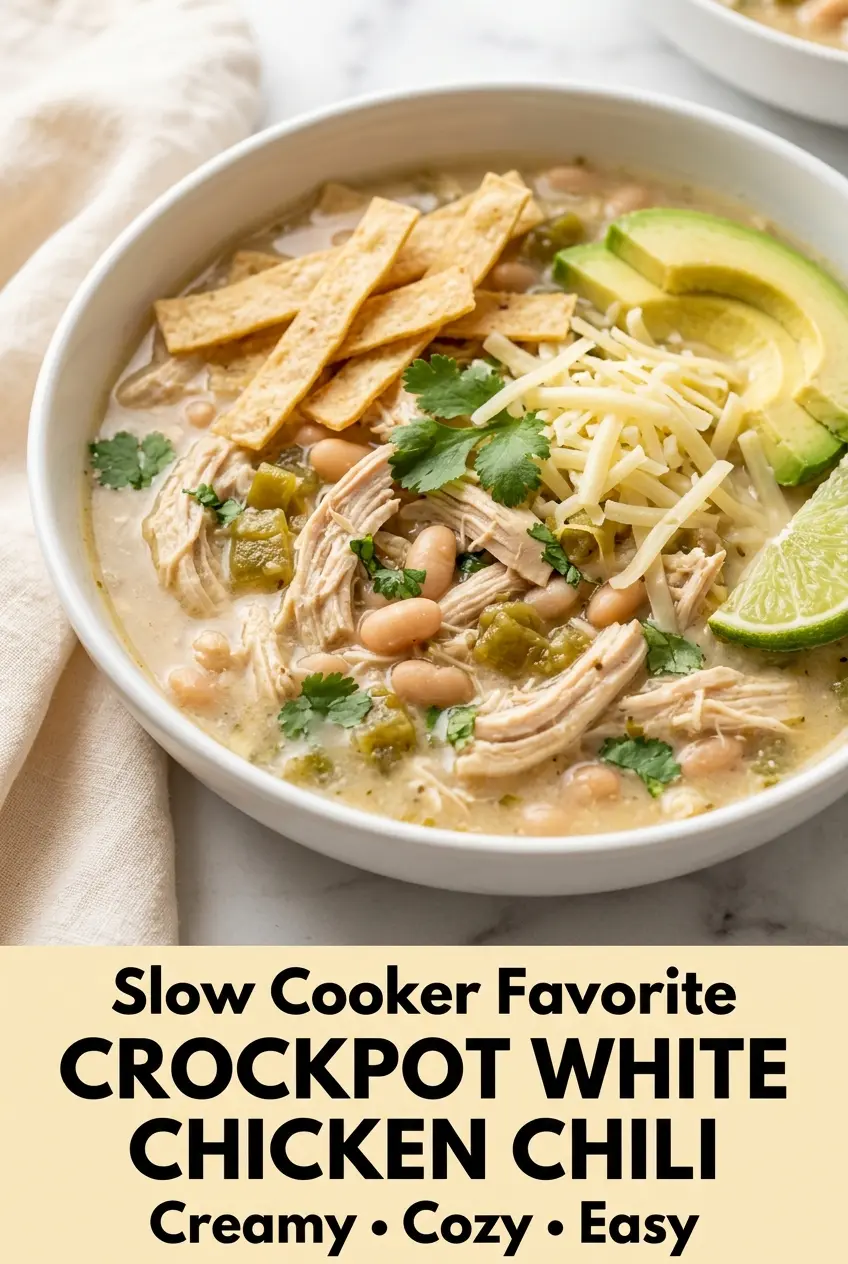
The rice starts to sizzle as soon as it hits the hot skillet, but the real payoff comes a few minutes later, when the grains stay separate instead of turning into one sticky mass. That’s the difference I look for in Supreme Soy Sauce Fried Rice: every bite is savory and glossy, with the egg still tender and the scallions tasting fresh.
I use cold, cooked long-grain white rice and get the sauce mixed before I heat the pan. Once the rice goes in, the cooking moves quickly; having the sauce ready means I can focus on breaking up clumps and keeping the grains moving. Light and dark soy sauce each bring something different, and a little sugar rounds out their savory edge. The finished rice is deeply seasoned without feeling heavy, with just enough color to make those separate grains shine.
Kitchen Note
Bake, Serve, Wear the Vibe 👕
Editor-picked tees our Oven To Fork readers love.



We may earn from qualifying purchases at no extra cost to you.
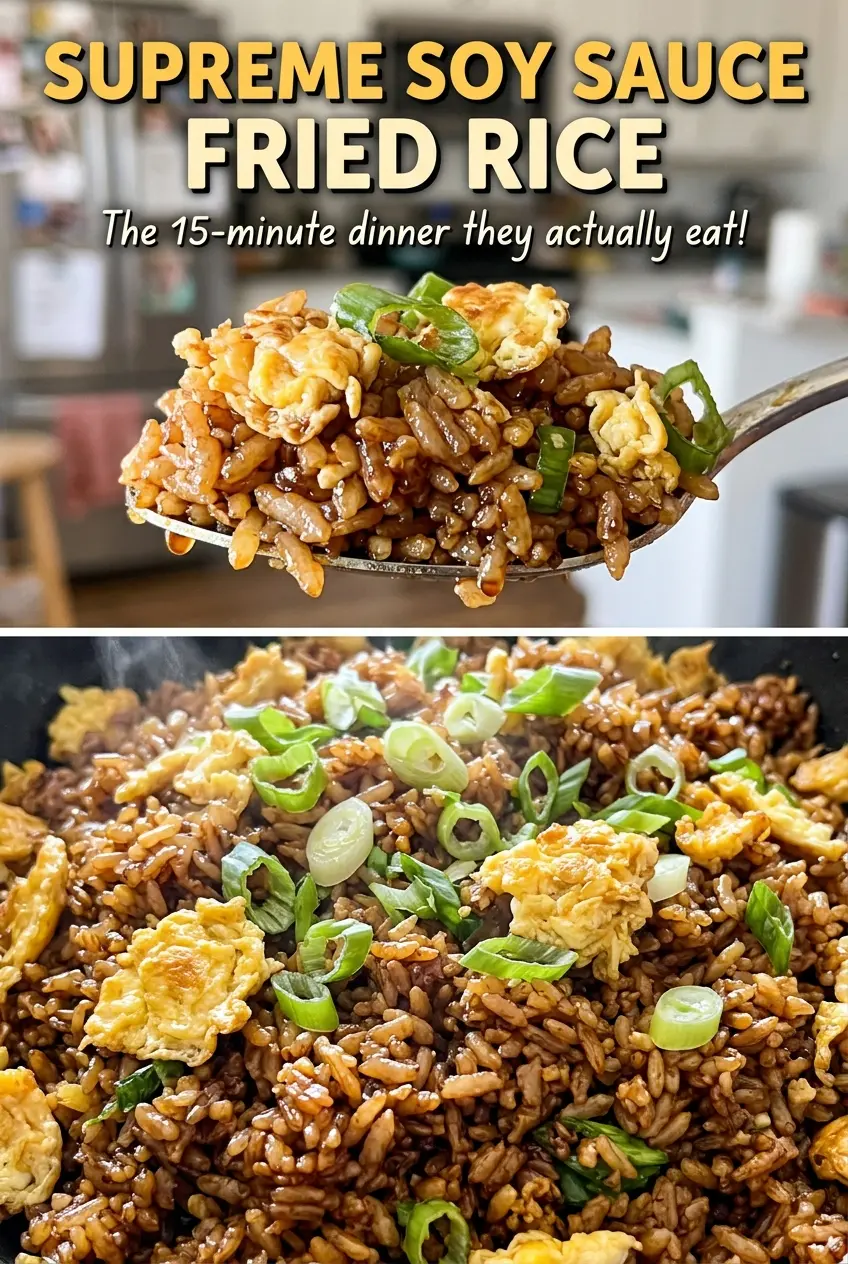
I whisk the soy sauces, sugar, and white pepper together before the skillet gets hot. When the sugar has dissolved, the sauce is ready to pour in all at once instead of leaving a sweet, salty patch in one spot.
Save Supreme Soy Sauce Fried Rice for its glossy, evenly seasoned grains and quick high-heat finish.
Cold Rice Is the Difference Between Separate Grains and a Sticky Skillet
Freshly cooked rice holds more moisture and is soft enough to mash together as you stir. Cold rice is firmer, which gives the grains a better chance to separate when they meet the hot oil. Refrigerated overnight is my preference, but the useful cue is that the rice is cold and the grains can be broken apart with a spatula.
That texture matters more here than adding extra sauce or cooking the rice for longer. If the rice goes into the pan in compact clumps, the outside can take on sauce while the middle stays packed together. Break up the clumps as you stir-fry, then give the grains time to heat through before adding the scallion whites and sauce. The goal is rice that’s hot throughout and distinct enough to pick up seasoning on every side.
Why This Fried Rice Uses Both Light and Dark Soy Sauce
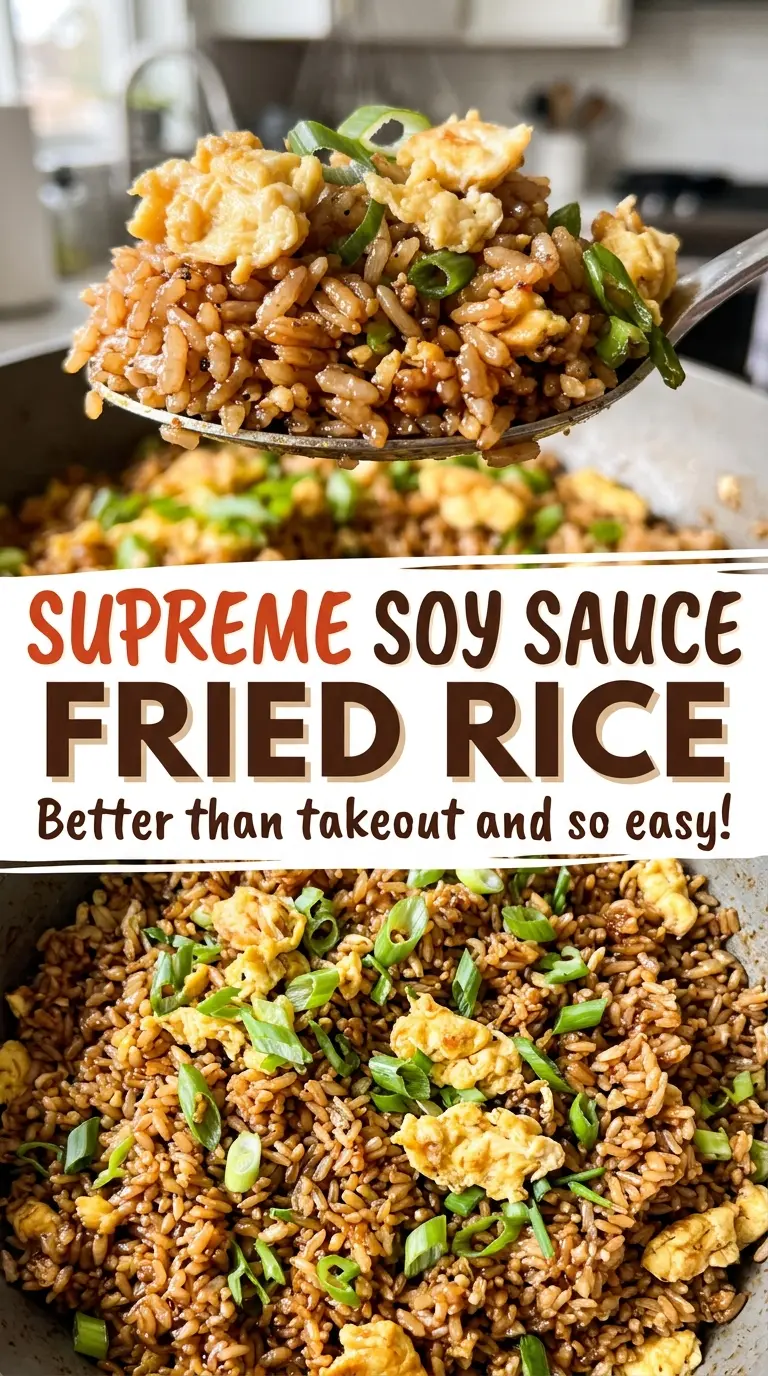
- Light soy sauce — It brings the main salty, savory seasoning. The flavor matters more than choosing a premium bottle; use the light soy sauce called for rather than relying on dark soy sauce alone.
- Dark soy sauce — This contributes the deeper color and a fuller, rounder soy flavor. It isn’t just extra light soy sauce: leaving it out changes the finished rice’s color and balance.
- Granulated sugar and white pepper — Sugar softens the sharp edge of the soy sauces, while white pepper adds a gentle warmth without taking over. Whisk them into the sauce so they’re distributed across the rice.
- Cold long-grain white rice — Long grains stay distinct during the quick stir-fry, and cold cooked rice is firm enough to handle the spatula. Refrigerated overnight is preferred; rice that’s already clumped can still go into the pan, but it needs to be broken apart as it cooks.
- Eggs — The eggs add soft, savory curds. Lightly beat them before they hit the skillet so they scramble evenly, then take them out while they’re just set rather than leaving them in the pan for the full rice-cooking time.
- Neutral oil and scallions — Canola or peanut oil works well because neither competes with the soy sauce. Separate the thinly sliced scallion whites from the greens: the whites cook briefly in the pan, while the greens go in at the end for a fresher finish.
The 3-to-4-Minute Rice Fry That Builds Flavor Before the Sauce Goes In
Whisk the Sauce Before Heating the Pan
In a small bowl, whisk the light soy sauce, dark soy sauce, granulated sugar, and white pepper until the sugar dissolves. You want a smooth, evenly mixed sauce, not visible sugar collecting at the bottom. Set it within reach of the stove so you can add it quickly once the rice is ready.
Scramble the Eggs Just Until Set
Heat a 12-inch skillet or wok over high heat, then add 1 tablespoon of the oil and the lightly beaten eggs. Scramble for 30 to 60 seconds, stopping when the eggs are just set and still look tender. Transfer them to a plate; leaving them in the hot pan while the rice cooks can make the curds dry.
Stir-Fry Until the Grains Separate
Add the remaining 2 tablespoons oil, followed by the cold rice. Use a spatula to break up clumps as you stir-fry for 3 to 4 minutes. The grains should separate and the rice should be steaming hot throughout, reaching at least 165°F. If you still see cold, compact patches, keep stirring until the heat reaches them.
Toss in the Sauce, Then Finish with Egg and Greens
Add the scallion whites and stir-fry for 30 seconds. Pour in the prepared sauce and toss for 1 to 2 minutes, lifting and turning the rice until the coating looks even rather than puddled in one place. Return the eggs to the pan, add the scallion greens, and toss just until everything is combined.
Small Changes That Keep the Same Soy-and-Scallion Balance
Make It Egg-Free
Leave out the eggs and the tablespoon of oil used to scramble them, then stir-fry the rice in the remaining 2 tablespoons oil. Keep the sauce and scallions the same. The result is less rich and has no soft egg curds, but the seasoned rice still comes together with the same quick pan method.
Keep the Egg Curds a Little Larger
While scrambling, fold the eggs gently with the spatula instead of breaking them into tiny pieces. Still take them out as soon as they’re just set. Larger curds give each serving a more noticeable egg bite without changing the ingredient list.
Leave Some Scallion Greens for the Finish
Hold back some of the sliced greens and fold them in after the pan comes off the heat. They’ll keep a sharper, fresher scallion taste than greens tossed through the hot rice. This is a nice adjustment if you want the allium flavor to stand out more.
Storage and Reheating
- Refrigerator: Transfer leftovers to a shallow airtight container within 2 hours and refrigerate for 3 to 4 days. The rice firms up as it chills.
- Freezer: Freeze in airtight portions for up to 2 months for the best texture. Thaw in the refrigerator overnight or reheat from frozen; the grains may be a little softer after freezing.
- Reheating: Warm in a skillet over medium heat, stirring often until steaming hot throughout, or heat in the microwave and stir partway through. Avoid reheating the same portion more than once, which can dry out the rice.
Questions That Come Up Before the First Scoop
Supreme Soy Sauce Fried Rice
Ingredients
Equipment
Method
- Whisk the light soy sauce, dark soy sauce, sugar, and white pepper in a small bowl until the sugar dissolves.
- Heat a 12-inch skillet or wok over high heat.
- Add 1 tablespoon oil and the eggs, then scramble for 30 to 60 seconds until just set.
- Transfer the eggs to a plate.
- Add the remaining 2 tablespoons oil and the rice, breaking up clumps with a spatula.
- Stir-fry for 3 to 4 minutes, until the grains separate and the rice is steaming hot throughout, at least 165°F.
- Add the scallion whites and stir-fry for 30 seconds.
- Pour in the sauce and toss for 1 to 2 minutes until the rice is evenly coated.
- Return the eggs to the pan.
- Add the scallion greens and toss to combine.