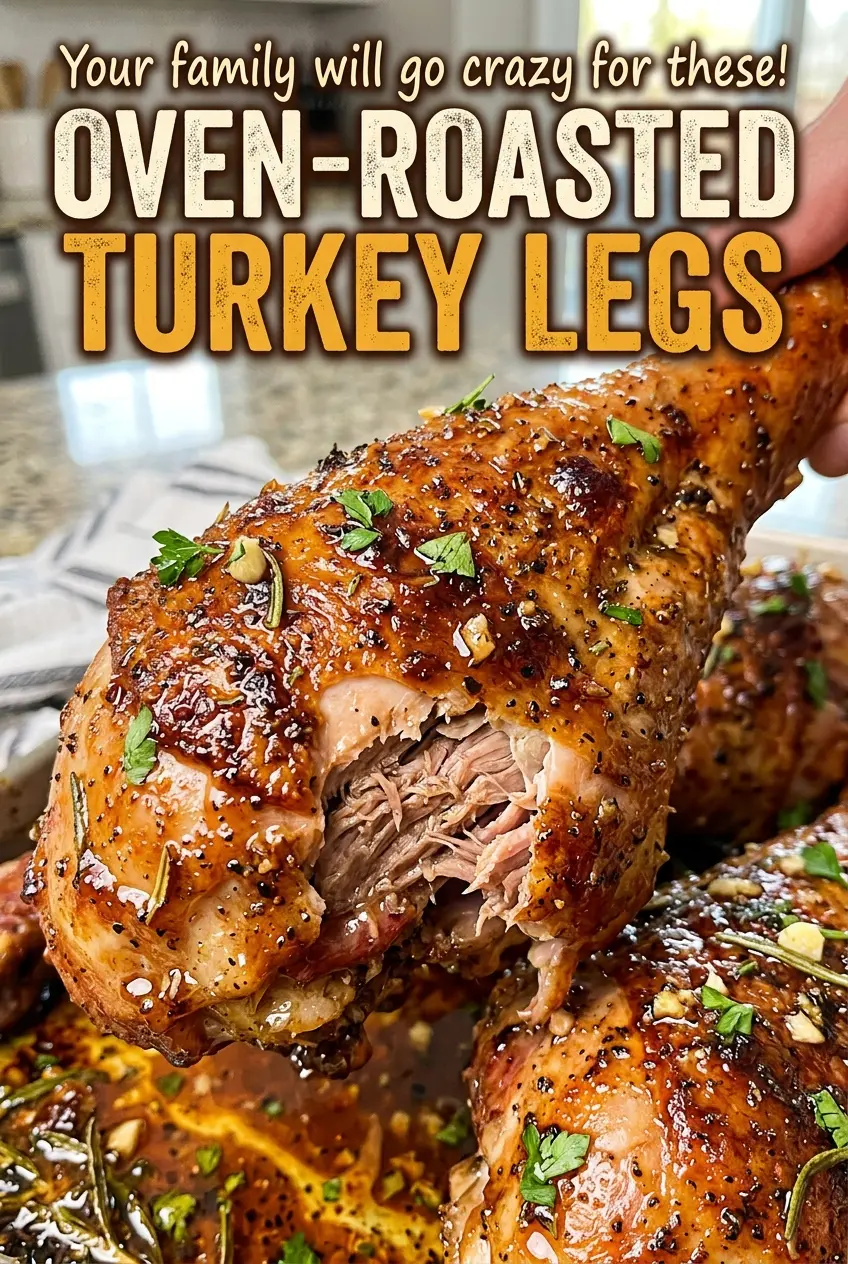
The skin on a turkey leg can turn deep brown while the meat near the bone still needs time. That’s why I don’t judge oven-roasted turkey legs by color alone. I pat each leg dry, coat it with olive oil, and rub it with a simple seasoning blend before it goes into the oven. The result is savory, well-seasoned meat with browned skin, without the extra work of cooking a whole turkey. Four legs, each about a pound, make a straightforward dinner for four.
The useful distinction is between cooked through and tender. I check the thickest part of each leg rather than trusting the clock, since legs can vary in shape and size. They roast at 375°F, get turned once, and rest before serving. That rest gives the juices a chance to settle, and the meat is easier to serve while it’s still warm and tender.
Kitchen Note
Bake, Serve, Wear the Vibe 👕
Editor-picked tees our Oven To Fork readers love.



We may earn from qualifying purchases at no extra cost to you.
The foil liner catches the drippings and makes cleanup much easier. Use a rimmed baking sheet so the drippings stay contained as the legs roast.
Save these oven-roasted turkey legs for a no-fuss roast with browned skin and tender, savory meat.
Why Turkey Legs Need More Than a Color Check
Roasted skin tells you what’s happening on the outside, not whether the thickest meat is ready. A leg can look finished while the center still needs more time, and the bone makes it especially important to check the meat itself. That’s why I use a thermometer rather than treating the listed roasting time as a promise. The legs are different shapes, and a thicker one can finish after a smaller one.
There’s also a difference between reaching a safe temperature and getting the texture you want. Dark turkey meat becomes more tender when it cooks a little longer, so you have room to choose based on how you like it. Check each leg in its thickest section, keeping the thermometer away from the bone. If one leg is ready before the others, take that one off the sheet and let the rest continue roasting. You’ll get a more reliable result than waiting for every leg to match the same color.
What the Seasonings and Oil Do on the Turkey
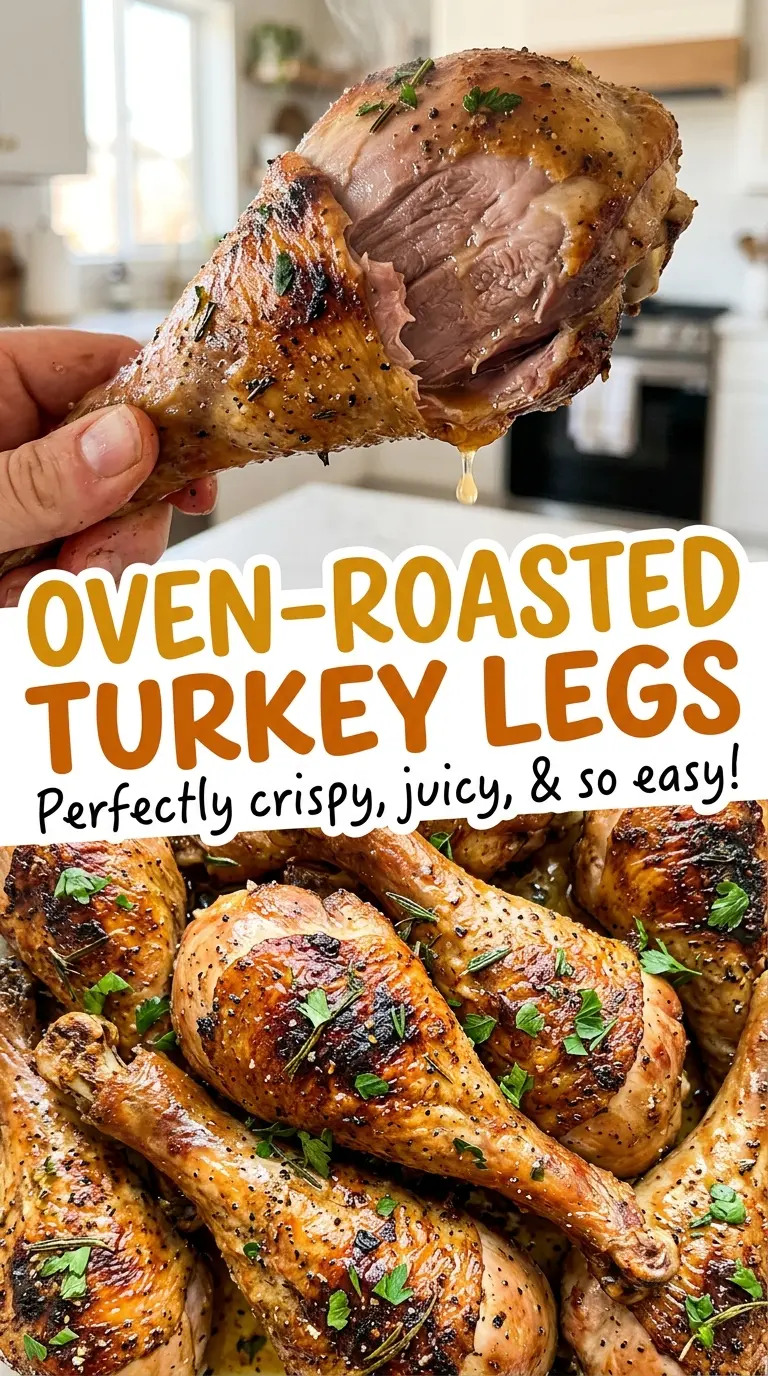
- Turkey legs — Legs have dark meat that stands up well to a long roast. Keeping to legs around the same size makes it easier for them to finish at a similar pace; turkey breast is not a like-for-like swap because it’s leaner and cooks differently.
- Olive oil — The oil coats the surface and helps the dry seasoning cling instead of falling off onto the pan. A regular olive oil works well here; there’s no need to use an expensive finishing oil.
- Kosher salt — It seasons the meat and balances the spices. Salt crystals vary in size, so avoid swapping in another kind of salt by the same volume and expecting the same result.
- Paprika — Paprika brings gentle pepper flavor and the warm color on the skin. A fresh, ordinary jar is fine; it doesn’t need to be a specialty spice.
- Garlic powder — Its fine texture spreads evenly over the oiled legs. Fresh chopped garlic isn’t a direct replacement for this long roast; the small pieces can darken before the turkey is ready.
- Black pepper — Pepper gives the seasoning a little warmth without taking over. Use the black pepper you keep on hand; a coarser grind will make that pepper note more noticeable.
- Dried thyme — Dried thyme is easy to distribute through the rub and holds its herbal flavor during roasting. If you don’t have it, leaving it out is a better choice than guessing at a fresh-herb conversion.
From Dry Surface to Tender Roast: The Steps That Matter
Prepare the Pan and Dry the Legs
Heat the oven to 375°F and line a rimmed baking sheet with foil. Pat the turkey legs dry before adding oil; excess surface moisture makes it harder for the oil and seasoning to coat them evenly. Rub olive oil over every side of each leg. Don’t leave dry patches where the seasoning won’t cling.
Mix and Apply the Seasoning
Stir the kosher salt, paprika, garlic powder, black pepper, and dried thyme together in a small bowl. Mixing first spreads the stronger seasonings through the blend, so one leg doesn’t end up with all the pepper or thyme. Rub the mixture evenly over the oiled legs, including around the sides. If some seasoning falls onto the foil, press it back onto the meat.
Roast, Turn, and Check Each Leg
Arrange the legs on the prepared baking sheet and roast for 1 1/2 to 2 hours, turning them once halfway through. Check the thickest part of each leg with a thermometer without touching the bone; each one needs to reach at least 165°F, and 175°F gives more tender meat. If the skin browns too quickly, loosely tent the legs with foil while they finish. Don’t pull them just because the outside looks dark enough.
Rest Before Serving
Take the sheet out of the oven and let the turkey legs rest for 10 minutes before serving. The pause gives the meat time to settle after roasting, so it stays juicier when you cut into it. Serve the legs whole or carve the meat from the bone at the table.
Two Simple Ways to Change the Seasoning
A Lower-Sodium Roast
Use half the listed kosher salt and keep the other seasonings the same. The turkey will taste less fully seasoned, but the paprika, garlic, pepper, and thyme still give the surface plenty of savory character.
A Paprika-Free Version
Leave the paprika out and use the rest of the seasoning blend unchanged. You’ll lose some of the warm color and mild pepper flavor, but the garlic, thyme, and black pepper still make a balanced rub.
Storage and Reheating
- Refrigerator: Keep leftover turkey in a covered container for 3 to 4 days. The skin will soften in the refrigerator.
- Freezer: The cooked meat freezes well for 2 to 3 months when wrapped airtight. Freeze the legs whole or remove the meat from the bone first.
- Reheating: Reheat covered in a 325°F oven until hot throughout. Uncover near the end if you want to bring back some color; reheating uncovered the whole time can dry the meat before the center warms.
Questions That Come Up When Roasting Turkey Legs
Oven-Roasted Turkey Legs
Ingredients
Equipment
Method
- Preheat the oven to 375°F.
- Line a rimmed baking sheet with foil.
- Pat the turkey legs dry.
- Rub the turkey legs all over with the olive oil.
- Mix the kosher salt, paprika, garlic powder, black pepper, and thyme in a small bowl.
- Rub the seasoning evenly over the turkey legs.
- Arrange the legs on the prepared baking sheet.
- Roast for 1 1/2 to 2 hours, turning them once halfway through, until the thickest part of each leg reaches at least 165°F without touching the bone; for more tender meat, aim for 175°F.
- If the skin browns too quickly, loosely tent the legs with foil.
- Rest the turkey legs for 10 minutes before serving.