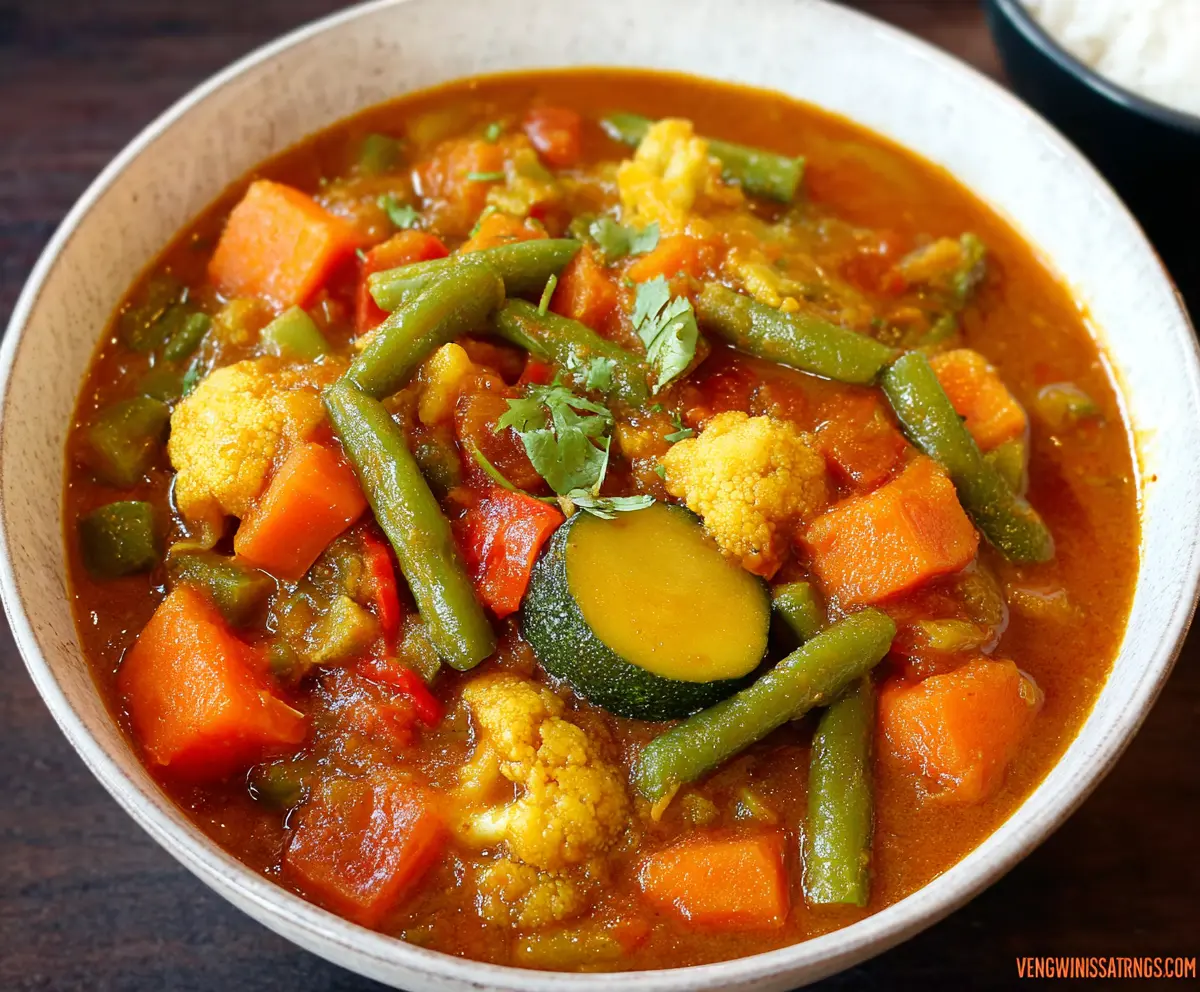
Vegetable Curry is a colorful, comforting dish packed with tender vegetables simmered in a fragrant, spiced sauce. Think of cauliflower, carrots, peas, and potatoes all mingling together with warm spices like cumin, turmeric, and coriander, creating a dish that’s full of flavor without being too heavy.
I love making this curry when I want something hearty but still healthy. It’s one of those meals where you can throw in whatever veggies you have on hand, and it still turns out delicious. I always add a bit of coconut milk to give it a creamy texture that helps balance the spices nicely—plus, it makes the whole kitchen smell amazing while it’s cooking.
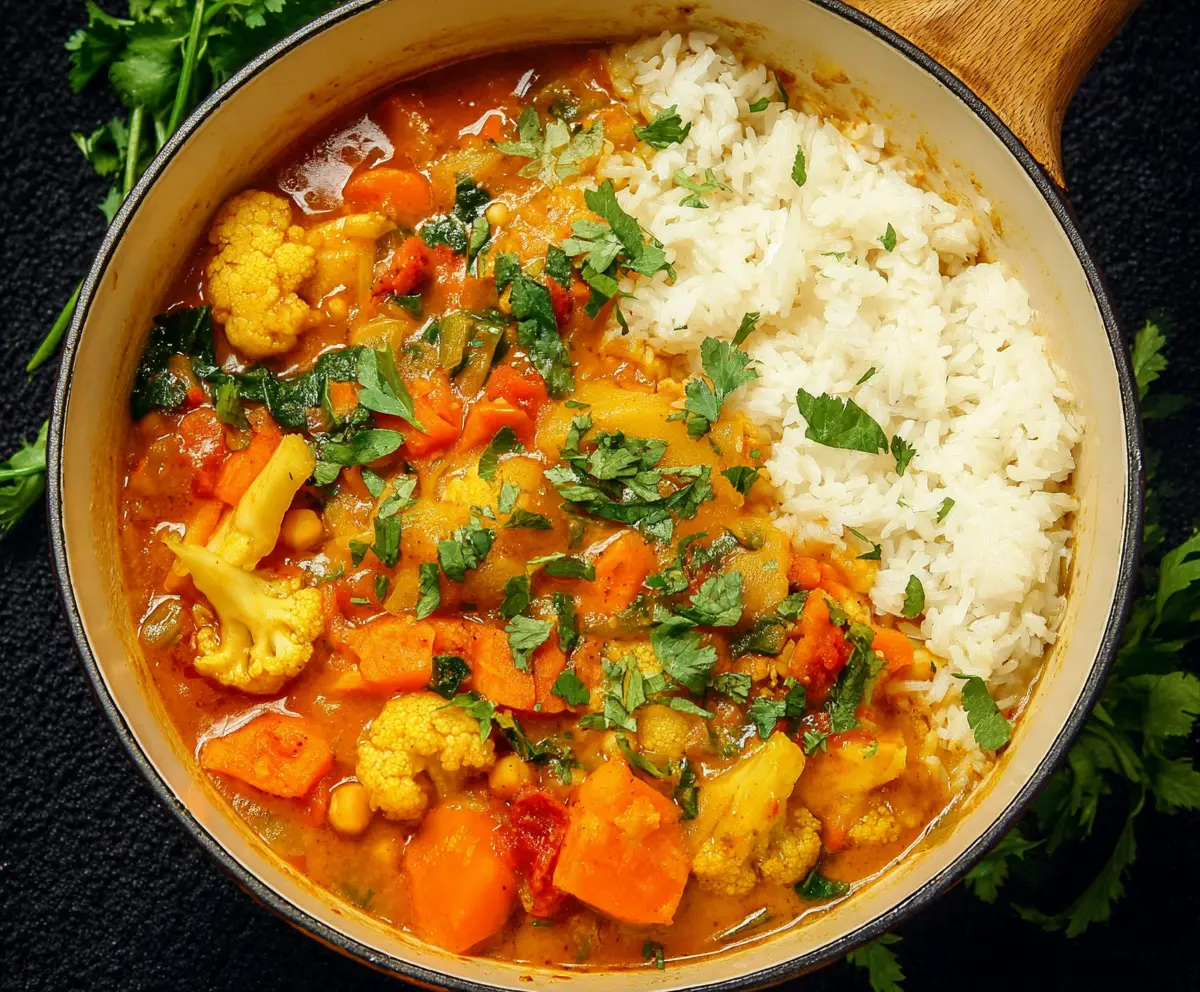
My favorite way to enjoy this vegetable curry is over a bowl of fluffy basmati rice with a sprinkle of fresh cilantro on top. It’s perfect for lunch or dinner, and leftovers are just as good the next day. Whenever I serve it to friends, they always ask for the recipe, which tells me this dish really hits the spot every single time!
Bake, Serve, Wear the Vibe 👕
Editor-picked tees our Oven To Fork readers love.



We may earn from qualifying purchases at no extra cost to you.
Key Ingredients & Substitutions
Onion, Garlic & Ginger: These form the flavor base. Fresh ginger adds a bright, spicy note. If fresh ginger isn’t handy, ground ginger works fine but use less—about half the amount.
Spices: Cumin and mustard seeds give a nice nutty flavor when toasted first. If you don’t have mustard seeds, just skip them or use a pinch of mustard powder. Curry powder blends heat and earthiness; you can swap with garam masala for a deeper aroma.
Vegetables: Carrots, potatoes, cauliflower, zucchini, green beans, and bell peppers create varied textures. Feel free to swap or add veggies like peas, spinach, or eggplant depending on what you have.
Coconut milk: It adds creaminess that balances the spices. You can substitute with yogurt or cream if you prefer, but add yogurt off the heat to prevent curdling.
How Do I Get My Curry Spiced Just Right Without Overpowering It?
Start by gently toasting the whole spices (cumin and mustard seeds) in oil until they pop. This unlocks their flavor without burning. Then sauté onions, garlic, and ginger well to build a rich base.
- Add powdered spices like curry powder and turmeric next and cook for a minute or two. This step helps release the oils and deepens the flavor.
- Don’t rush; cooking tomatoes down until soft makes the sauce naturally sweet and less acidic.
- Simmer the veggies covered so they soak up flavor and stay tender yet firm.
- Adding coconut milk at the end keeps the sauce creamy and balances the heat.
Equipment You’ll Need
- Large deep skillet or saucepan – perfect for sautéing spices and cooking all your vegetables evenly.
- Wooden spoon – great for stirring without scratching your pan.
- Chef’s knife – helps chop veggies quickly and safely.
- Cutting board – a sturdy surface to prep all your ingredients.
- Measuring spoons – to get the spices just right every time.
Flavor Variations & Add-Ins
- Add chickpeas or lentils for extra protein and texture; they soak up the curry flavors well.
- Stir in fresh spinach or kale at the end for a boost of green and nutrients.
- Swap coconut milk for Greek yogurt for a tangier, creamier sauce.
- Include diced paneer or tofu to make it more filling and add a mild cheesy taste.
How to Make Vegetable Curry?
Ingredients You’ll Need:
Spices & Aromatics:
- 2 tablespoons vegetable oil
- 1 teaspoon cumin seeds
- 1 teaspoon mustard seeds
- 1 tablespoon curry powder
- 1 teaspoon ground turmeric
- 1 teaspoon ground coriander
- ½ teaspoon cayenne pepper (adjust to taste)
- 1 large onion, finely chopped
- 2 cloves garlic, minced
- 1 tablespoon fresh ginger, grated
- 1-2 green chilies, chopped (optional)
Vegetables:
- 1 large carrot, peeled and cut into chunks
- 1 cup green beans, trimmed
- 1 cup cauliflower florets
- 1 medium zucchini, sliced
- 1 large tomato, chopped
- 1 medium potato or sweet potato, peeled and diced
- 1 cup bell peppers, chopped (red or green)
Liquids & Garnish:
- 1 cup vegetable broth or water
- ½ cup coconut milk (optional, for creaminess)
- Salt, to taste
- Fresh cilantro leaves, for garnish
How Much Time Will You Need?
This vegetable curry takes about 10 minutes to prepare and roughly 30 minutes to cook, for a total of about 40 minutes. It’s a simple, hands-on recipe but does require some simmering time to let veggies get tender and soak up the curry flavors.
Step-by-Step Instructions:
1. Toast the Seeds and Sauté Aromatics:
Heat the vegetable oil in a large pan or pot over medium heat. Add the cumin seeds and mustard seeds. Let them sizzle for a few seconds until fragrant. Then add chopped onion, garlic, ginger, and green chilies. Sauté for 5-7 minutes until the onion turns soft and translucent.
2. Add the Spices and Tomatoes:
Stir in the curry powder, turmeric, ground coriander, and cayenne pepper. Cook the spices for about 1-2 minutes to release their aroma. Add the chopped tomatoes and cook until they soften and release their juices, about 5 minutes.
3. Add Vegetables and Simmer:
Add the carrot, potato, cauliflower, green beans, zucchini, and bell peppers. Stir everything well to coat the vegetables with the spices. Pour in the vegetable broth or water. Bring the curry to a boil, then reduce the heat to a simmer. Cover and cook for about 20-25 minutes, or until vegetables are tender.
4. Finish with Coconut Milk and Season:
Stir in the coconut milk (if using) and salt to taste. Simmer for another 5 minutes to blend all the flavors together.
5. Serve and Garnish:
Turn off the heat and sprinkle fresh cilantro leaves on top. Serve your delicious vegetable curry hot with steamed basmati rice or warm naan bread.
Can I Use Frozen Vegetables for This Curry?
Yes, frozen vegetables work well! Just add them a bit earlier in the cooking process and simmer until they’re heated through and tender.
How Do I Store Leftover Vegetable Curry?
Store leftovers in an airtight container in the fridge for up to 3 days. Reheat gently on the stove or in the microwave, adding a splash of water or broth if the sauce thickens too much.
Can I Make This Curry Vegan and Gluten-Free?
Absolutely! This recipe is naturally vegan and gluten-free as long as you use vegetable broth without additives and double-check your curry powder ingredients.
What Can I Substitute for Coconut Milk?
You can use plain yogurt or cashew cream for creaminess. If using yogurt, stir it in off the heat to prevent curdling.