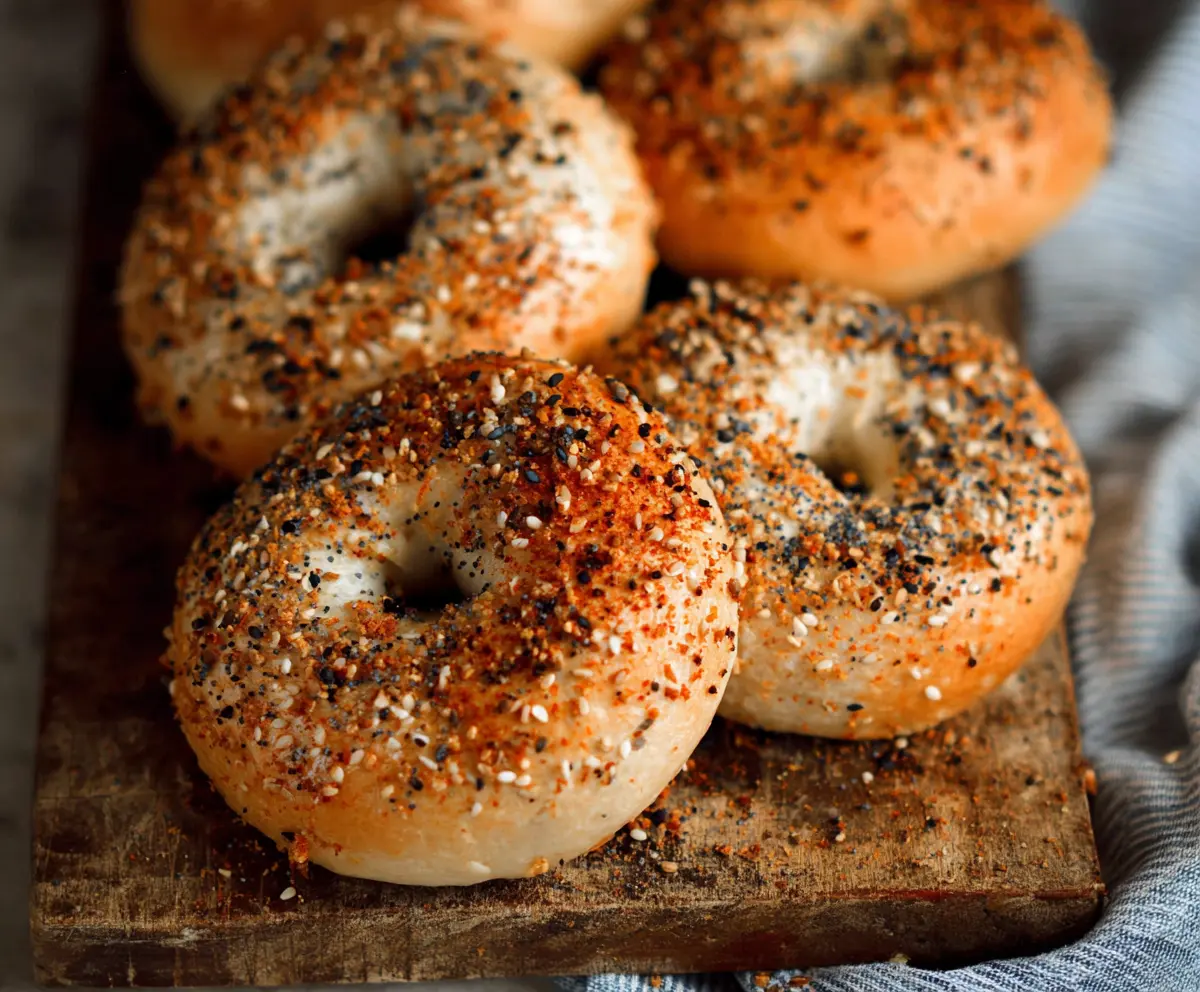
Sourdough Bagels are chewy, slightly tangy, and golden with a perfect crust that makes every bite so satisfying. They marry the rich flavor of sourdough starter with the classic dense and bouncy texture everyone loves in a bagel. Whether plain, sprinkled with seeds, or loaded with cinnamon and raisins, these bagels are a wonderful twist on a morning favorite.
I love making sourdough bagels because they bring a little extra depth of flavor that you don’t get in regular bagels. The slow fermentation adds just the right tang and chewiness, and I find the process of boiling the dough before baking really gives them that authentic bagel finish. It feels rewarding to watch them rise, boil, and then bake to perfection.
My favorite way to enjoy sourdough bagels is toasted with cream cheese and a drizzle of honey or some smoked salmon and capers if I’m feeling fancy. They’re perfect for breakfast, brunch, or anytime you want a tasty snack. Plus, they freeze well, so I always make a batch big enough to save some for later—so tasty straight from the toaster the next day!
Bake, Serve, Wear the Vibe 👕
Editor-picked tees our Oven To Fork readers love.



We may earn from qualifying purchases at no extra cost to you.
Key Ingredients & Substitutions
Sourdough Starter: This is the heart of the bagels, giving them their tangy flavor. Make sure your starter is active and bubbly for best results. If you don’t have sourdough starter, you could try a bit of yeast, but the flavor won’t be the same.
Bread Flour: Using bread flour is key because of its high protein content, which builds that chewy bagel texture. If you don’t have bread flour, all-purpose will work but expect a softer bagel.
Barley Malt Syrup: This adds a subtle sweetness and helps with browning. It’s optional—you can skip it or substitute with honey or brown sugar if needed.
Baking Soda (for Boiling): This creates a slightly alkaline boil that helps form the characteristic bagel crust. Regular water won’t give you the same chew and shine.
How Do You Get That Perfect Bagel Texture?
The magic happens in a few key steps: kneading, boiling, and baking.
- Kneading: Knead the dough until it’s smooth and elastic—this develops gluten, which gives bagels their chew.
- Boiling: Boiling bagels in water with baking soda (and optional malt syrup) for 1-2 minutes per side sets the crust before baking. This step gives bagels their shiny, chewy exterior.
- Egg Wash & Toppings: Brushing with egg wash before baking helps the toppings stick and gives a nice golden finish.
Taking your time with each stage leads to a bagel with a crisp crust and tender chew inside. Don’t rush the rise and be gentle when shaping to keep that perfect texture!
Equipment You’ll Need
- Large mixing bowl – gives you space to mix and knead the dough comfortably.
- Dough scraper – handy for kneading and cleaning your work surface.
- Kitchen scale – to measure flour and ingredients accurately for consistent bagels.
- Large pot – needed to boil bagels, which helps form the chewy crust.
- Slotted spoon or spider strainer – makes lifting bagels out of boiling water easy and safe.
- Baking sheet lined with parchment paper – ensures bagels bake evenly and don’t stick.
- Wire rack – lets bagels cool evenly without getting soggy.
Flavor Variations & Add-Ins
- Add cinnamon and raisins into the dough for a sweet, breakfast-style bagel twist.
- Include minced garlic and rosemary for a savory herb flavor that pairs well with cream cheese.
- Mix in cheddar cheese or sprinkle on top before baking for a cheesy crust.
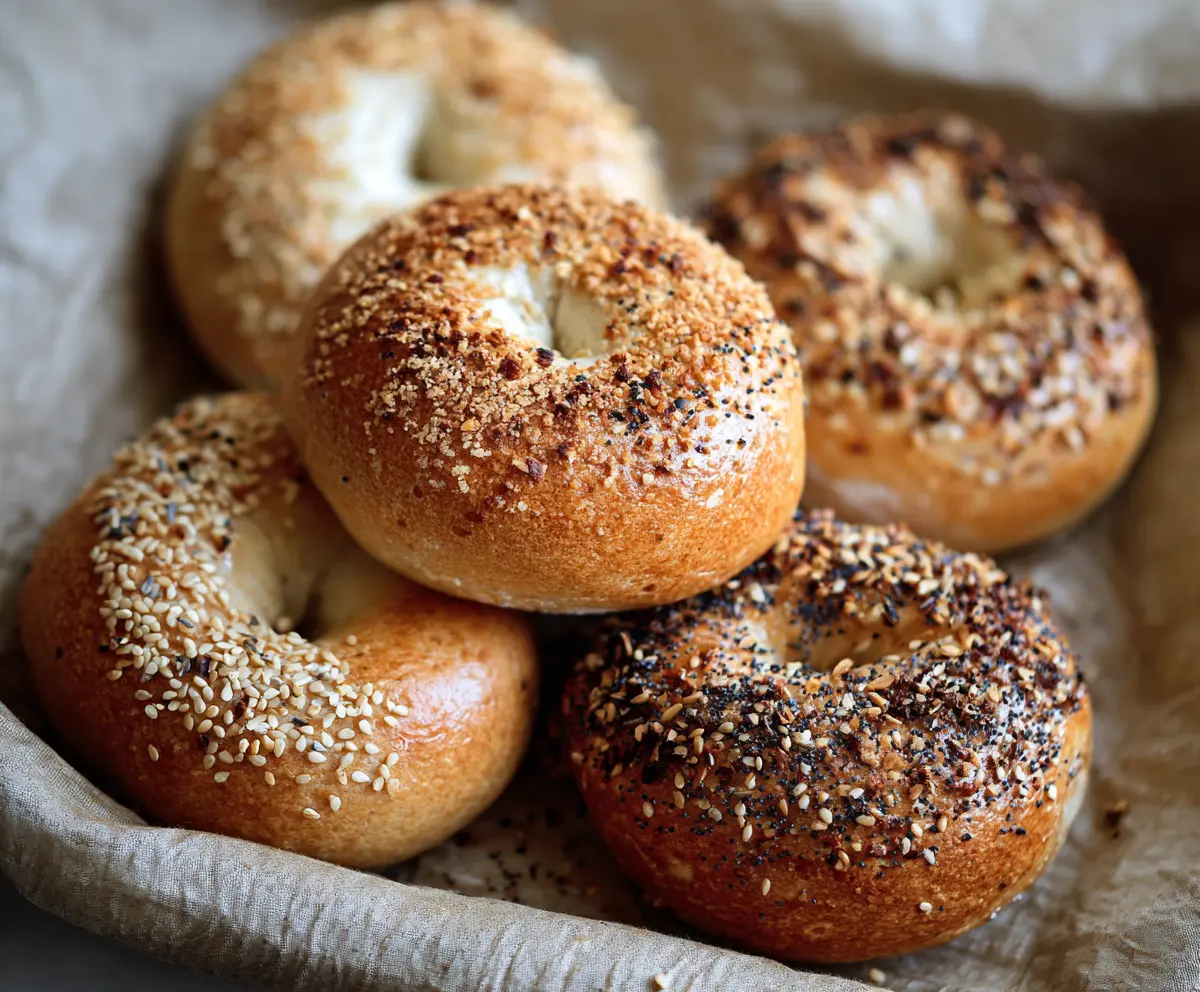
- Try topping bagels with sesame seeds, poppy seeds, or everything seasoning to match your mood.
How to Make Sourdough Bagels?
Ingredients You’ll Need:
- 1 cup (227 g) active sourdough starter (fed and bubbly)
- 1 1/2 cups (360 ml) warm water
- 4 cups (480 g) bread flour, plus extra for dusting
- 2 teaspoons salt
- 1 tablespoon sugar or honey
- 1 tablespoon barley malt syrup (optional, for authentic flavor)
- 1 tablespoon baking soda (for boiling water)
- 1 egg white, beaten with 1 tablespoon water (egg wash)
- Everything bagel seasoning or your choice of toppings (poppy seeds, sesame seeds, dried onion, garlic flakes, coarse salt)
Time Needed:
This recipe requires about 15-20 minutes of active prep time, plus 4-6 hours for the first rise, and about 30 minutes for the second rise. Boiling and baking together take around 45 minutes. So overall, plan for about 6 to 7 hours including resting and baking time.
Step-by-Step Instructions:
1. Prepare the Dough:
In a large bowl, mix sourdough starter, warm water, and sugar or honey until combined. Add bread flour and salt, then stir to form a rough dough. Transfer dough to a floured surface and knead for 8-10 minutes until smooth and elastic. You can also use a mixer with a dough hook for 5-7 minutes.
2. First Rise:
Place the dough in an oiled bowl, cover it, and let it rise at room temperature for 4-6 hours until it looks puffy but not fully doubled.
3. Shape the Bagels:
Divide the dough into 8 equal pieces. Shape each into a smooth ball. Make a hole in the center of each with your finger, stretching it to about 2 inches across. Set bagels on a parchment-lined sheet, cover, and let rest for 30 minutes to 1 hour for the second rise.
4. Boil the Bagels:
Preheat the oven to 425°F (220°C). Bring a large pot of water to a boil, adding baking soda and optional barley malt syrup. Lower heat to a simmer, then boil bagels for 1-2 minutes on each side. Remove with a slotted spoon and drain on a clean towel.
5. Add Toppings and Bake:
Place boiled bagels on a baking sheet, brush with the egg wash, and sprinkle your favorite toppings. Bake for 20-25 minutes until golden brown and crusty.
6. Cool and Serve:
Let the bagels cool on a wire rack. Slice and toast to enjoy with cream cheese, smoked salmon, or your favorite toppings.
Can I Use Frozen Sourdough Starter for This Recipe?
Yes, but be sure to fully revive and feed your frozen starter in advance until it’s bubbly and active. This usually takes 1-2 feedings over 1-2 days to ensure good fermentation for the bagels.
How Should I Store Leftover Bagels?
Store leftover bagels in an airtight container or plastic bag at room temperature for up to 2 days. For longer storage, slice and freeze them in a freezer bag. Toast or warm frozen bagels directly from the freezer.
Can I Substitute Bread Flour with All-Purpose Flour?
You can, but expect a softer and less chewy bagel since all-purpose flour has less protein. For best texture, bread flour is recommended.
What If I Don’t Have Barley Malt Syrup?
No worries! Barley malt syrup adds authentic flavor and helps with browning, but you can substitute with honey or brown sugar, or simply omit it—it won’t affect the texture too much.